English
 Español
Picking cupcake liners seems simple until you actually do it. Home bakers, commercial bakeries, food-service operations—everyone's got different needs. The liner has to survive baking temps, release cleanly, and still look decent without blowing up packaging costs. Grease resistance matters a lot here. Butter, oil, other fats seep into the paper, leaving translucent spots. Cupcakes start looking sad. Not the vibe anyone wants.
Different liners give you different mixes of grease resistance, durability, looks, and price. Knowing the differences helps you pick something that fits your recipes, volume, and budget.
What Determines Grease Resistance in Cupcake Liners?
It comes down to paper composition, thickness, coatings, manufacturing quality. Traditional paper liners absorb some fat during baking. Grease soaks into the fibers, and the liner goes translucent or gets oily patches. That doesn't mean it's unsafe, but it hurts presentation and handling.
Grease-resistant liners are built to limit that penetration. Some use treated paper, others denser materials or barrier coatings. How well they work depends on the product and how much fat your recipe throws off. Baking temp, batter consistency, bake time, storage time—all play a role. A liner that handles a low-fat sponge may show grease with a rich butter chocolate cupcake.
Comparing the Main Types of Cupcake Liners
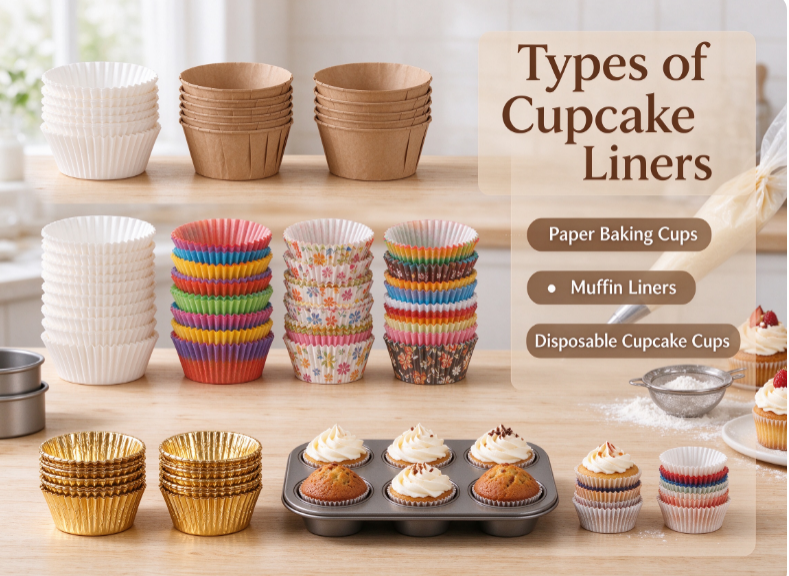
Standard Paper Cupcake Liners
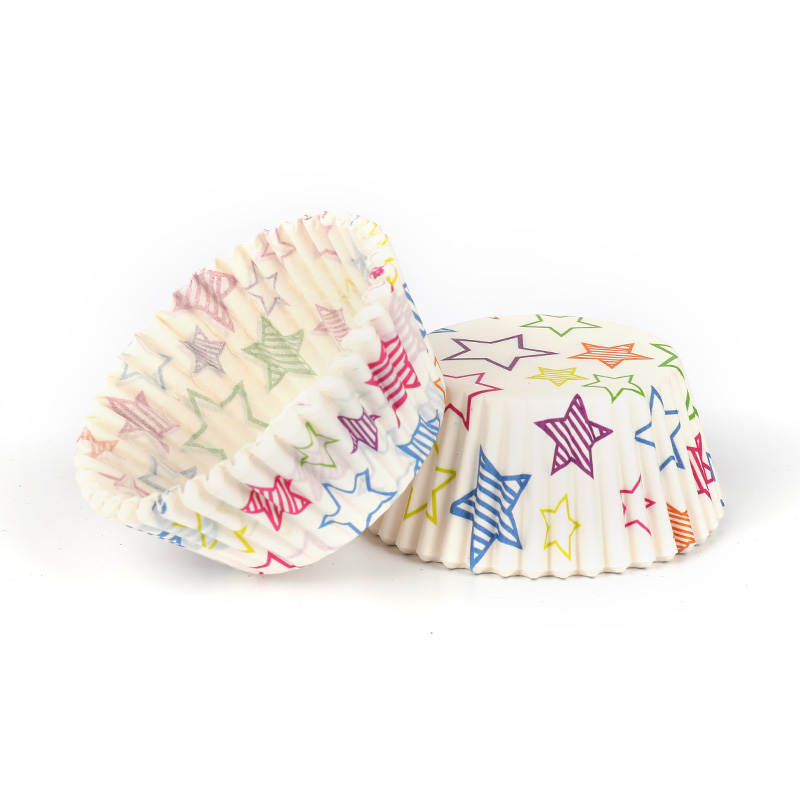
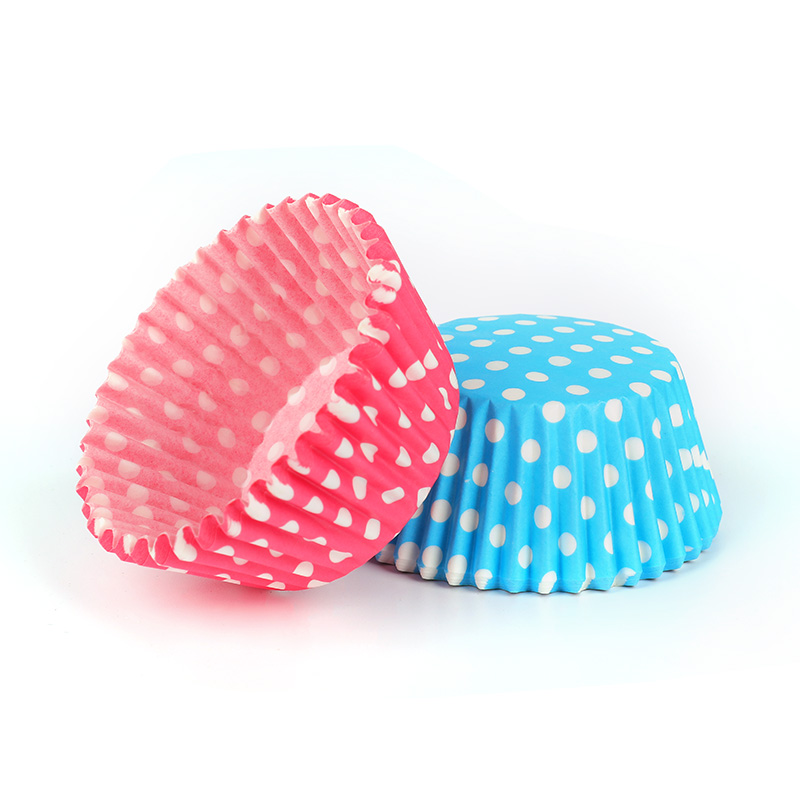
Cheap, easy to use, available in tons of sizes and colors. Fine for everyday baking where minor grease marks don't matter. The catch: basic paper absorbs more oil than treated options. That can hurt visual consistency, especially in retail displays or packaged products.
Good for: Home baking, routine production, moderate-fat recipes where cost control matters.
Greaseproof Paper Cupcake Liners
Made from paper designed or treated to resist fat penetration. Helps maintain a cleaner look and reduces visible grease staining. Costs more than basic paper, but the difference may be worth it for bakeries selling directly to customers. Performance varies by paper grade and manufacturing, so test before committing.
Good for: Retail bakeries, takeaway cupcakes, products needing consistent presentation.
Coated Paper Cupcake Liners
Some liners have a barrier coating to reduce grease absorption. Depending on the coating and design, these can work well for rich batters. But coated products vary a lot. Verify the whole liner suits your baking temp and direct food contact. Coatings can also affect compostability, recyclability, disposal options.
Good for: Applications needing stronger grease barriers, if the product meets your safety and environmental requirements.
Foil Cupcake Liners
Foil gives a strong barrier against grease and moisture. Holds its appearance. Useful for certain specialty baking. Downsides: higher unit cost than basic paper and different handling. May need support during baking, depending on construction.
Good for: Specialty products, premium presentation, recipes where a strong grease barrier really matters.
Grease Resistance and Cost Compared
Here's a general comparison. Actual costs and performance depend on supplier, order quantity, material specs, product design.
| Liner type | Grease resistance | Relative cost | Main advantage | Main limitation |
|---|---|---|---|---|
| Standard paper | Low to moderate | Low | Economical and widely available | More visible grease staining |
| Greaseproof paper | Moderate to high | Low to moderate | Cleaner presentation | Performance varies by grade |
| Coated paper | Moderate to high | Moderate | Additional barrier protection | Coating affects disposal options |
| Foil | High barrier performance | Moderate to high | Strong grease and moisture barrier | Higher cost and different handling |
For plenty of bakeries, greaseproof paper hits a practical balance between cost and performance. Standard paper works when appearance isn't critical. Coated or foil liners may be justified for specialized jobs. These categories aren't absolute rankings. A good greaseproof liner can beat a poorly made coated one. Let specs and testing guide you.
How Recipe Type Influences Liner Selection
The right liner depends partly on ingredients.
Low-fat sponge cupcakes: Standard paper may be fine. Little grease released.
Butter-rich cupcakes: Greaseproof paper helps reduce visible staining and keeps things cleaner.
Oil-based chocolate cupcakes: May need more effective grease resistance, especially if displayed for hours or packaged for takeaway.
Dense or filled cupcakes: Batter weight, moisture, handling needs may affect liner strength and shape retention. Test with the complete recipe, including fillings or toppings.
For commercial operations, testing several liner types with your actual production recipe beats picking based on an advertised material category.
How to Calculate the True Cost of Cupcake Liners
The cheapest per unit isn't always the cheapest overall. Grease staining, damaged liners, product rejection, poor presentation—those add costs.
Say a bakery buys 10,000 standard paper liners at $0.02 each. That's $200. A greaseproof alternative at $0.025 per liner costs $250 for the same quantity. Difference: $50. If the better liner cuts presentation-related waste or customer complaints, that extra expense may pay for itself. But measure the benefit with actual production results, not assumed savings.
When comparing suppliers, consider:
- Unit price at different order quantities.
- Shipping and storage expenses.
- Grease resistance under actual baking conditions.
- Liner strength and consistency.
- Food-contact documentation.
- Minimum order quantities and inventory turnover.
A small production trial tells you whether a pricier liner delivers measurable value.
What to Check Before Buying Cupcake Liners in Bulk
Before a big order, get samples and test under normal production conditions. Inspect after baking and cooling—look for grease penetration, color changes, sticking, loss of shape. Confirm dimensions fit your trays and the material suits your temperature range. For printed liners, check color consistency and food-contact documentation.
Commercial buyers should also review supplier reliability, production consistency, delivery lead times. A liner that performs well in one sample but varies between batches creates avoidable production headaches.
Choosing the Most Cost-Effective Cupcake Liner for Your Needs
The right balance of grease resistance and cost depends on recipe fat content, presentation standards, production volume, packaging requirements. Standard paper liners are economical for everyday use. Greaseproof paper often gives a useful middle ground for commercial bakeries. Coated and foil liners may be worth considering when stronger barrier performance is needed.
Compare products using actual baking tests, supplier specs, and total operating costs. That approach helps bakers keep cupcakes looking good while controlling packaging expenses and avoiding unnecessary material upgrades.