English
 Español
In commercial production, picking a cupcake liner is way more than just a packaging choice—it is a major line-level decision. Your choice has to fit perfectly with the plant's baking pans, batter weight, oven curves, cooling tracks, boxing setups, and budget targets. When you are dealing with a composite paper-and-PET structure, sourcing teams really need a clear view of how the cup is layered and what specs the final batch actually carries.
This is a big deal when placing large wholesale orders. A wrapper that looks decent in a catalog print can behave completely differently when you put it through a real oven with a sticky recipe, heavy baking pans, automated deposits, or fast boxing lines. Because of that, commercial bakeries have to look hard at the technical specs, line testing, food safety sheets, and floor demands before cutting a major check.
This field breakdown covers the primary checkpoints that commercial kitchens, food packing plants, logistics vendors, and private labels need to audit when sourcing these supplies.

Confirm the Exact Structure of the Cupcake Liner
The label "PET film cupcake liner" actually covers a lot of ground, and different factories build them in different ways. Some suppliers fuse base paper with a PET film coat, while other shops use unique stamping or edge finishes.
Before you talk about pricing, ask the vendor for a solid data sheet that details:
- Base paper or paperboard specification
- PET film specification
- Overall structure
- Liner dimensions
- Rim or edge construction
- Folding pattern
- Surface finish
- Printing configuration, if applicable
These details matter because the actual performance of the cup depends entirely on the complete structure, not just the raw material name on the box.
The factory needs to explicitly state which layer handles the structural support and which part functions as the surface liner or outer wrap. Sourcing teams should also confirm that the sample sleeves they are testing match the exact stock destined for the mass production runs.
Check the Dimensions Against the Baking Tray
One of the easiest ways to avoid a headache on the line is double-checking your pan sizing.
The cupcake wrapper must fit right into the actual baking pans or multi-cavity molds running on your floor. Key numbers you need to measure include the top width, bottom width, wall height, and general form factor.
| Dimension | Why It Matters |
|---|---|
| Top diameter | Determines fit at the opening of the tray cavity |
| Base diameter | Affects how the liner sits inside the mold |
| Height | Influences available space for batter and finished product shape |
| Rim diameter | Can affect handling and opening geometry |
| Folded shape | May affect how consistently the liner sits in the tray |
Even a tiny sizing error can trigger nasty jams on a high-speed line. A cup that sits too loose in the cavity can wobble or tip during filling, while an oversized liner will crease up and ruin the shape.
The safest move is to measure the actual metal trays on your floor and compare those numbers with the blueprint drawings from the factory.
Consider the Bakery's Actual Recipe and Baking Process
You can't really judge a cupcake liner without looking at the exact batter you are dropping into it.
Every recipe runs a different mix of oils, water content, sugars, flour types, egg content, or emulsifiers. On top of that, baking temps and cycle times vary all over the place depending on your equipment layout.
Because of this, a commercial kitchen needs to run real-world trials using their actual production formula.
A standard floor test usually maps out like this:
liner placement → batter filling → baking → cooling → product removal → packaging
During these runs, the floor manager should track how the cup holds its shape, general appearance, tray alignment, and how well it plays with the automated gear.
Don't go assuming that a generic PET film spec sheet means the cup will perform well under your specific heat profiles. The finished cup's construction and the manufacturer’s recommended running conditions must be weighed against your actual shop setup.
Verify the Intended Temperature and Application Range Range
Heat tolerances are a massive technical point for any wrapper hitting a commercial oven.
When purchasing a PET film baking paper cupcake liner, buyers should ask the manufacturer for the actual temperature limits and application guidance for the finished product. The relevant figure should apply to the specific liner construction being supplied.
This is worth keeping an eye on because broad facts about PET polymers don't always translate to how a laminated paper-and-film cup acts inside a hot baking process.
The supplier needs to lay out:
- Recommended application conditions
- Temperature limitations
- Whether the product is intended for direct baking use
- Any restrictions related to oven type or processing conditions
- Whether the printed version has different specifications from the unprinted version
For high-volume plants, having these technical numbers in writing is way better than trusting verbal promises. This documentation also makes life a lot easier for your internal quality team when it's time to clear the order.
Check Food-Contact Compliance for the Target Market
Since cupcake cups wrap directly around food, safety compliance has to be baked right into your purchasing steps.
The tricky part is that there isn't a single global certificate that covers every territory. The legal paperwork changes completely based on where your finished treats hit store shelves.
For example, a buying team might need to audit:
- Material declarations
- Food-contact compliance statements
- Test reports
- Migration-related documentation
- Printing ink information
- Coating or film information
- Product traceability records
The supplier needs to provide official test logs that match the exact paper stock and ink combinations landing at your facility.
If you are shipping export orders, check the specific rules of the destination country rather than relying on broad claims from the vendor. This is a critical part of clean sourcing because compliance applies to the finished food-contact product and its specific construction.
Evaluate the Surface and Finished Appearance
For operations supplying retail grocery shelves, local cafes, hotels, or catering clients, presentation is a major factor in the buying loop.
When you are running sample sleeves, keep an eye on:
- Rim shape
- Fold consistency
- Surface appearance
- Print quality, if customized
- Product presentation after baking
- Consistency from liner to liner
A neat, uniform wrapper helps you maintain a clean, predictable look across a massive multi-batch run.
If you are running branded items, look closely at color matching and graphics clarity. The vendor needs to confirm the printing method they use and hand over matching food safety sheets for the inks where required.
Check Tray, Filling, and Production-Line Compatibility
Commercial bakeries lean on everything from basic manual tables to fully automated conveyor systems. The paper cup has to blend seamlessly into that workflow.
Buyers should closely watch whether the supplies:
- Can be positioned efficiently
- Remain stable during filling
- Work with the existing tray format
- Feed correctly through any relevant equipment
- Maintain consistent geometry during production
- Can be handled at the required production speed
A cup that handles fine on a manual prep table might fail completely when you feed it into a high-speed automated denester.
That is why a sample box should always be run by the exact same crew, using the exact same machinery, trays, and line speeds found in your regular daily operation.
Ask About Dimensional Tolerance and Quality Control
A family-owned shop can usually adjust to minor sizing shifts between cases, but on a high-volume industrial line, those variations can turn into an expensive bottleneck.
Sourcing managers should ask the factory exactly how they track dimensions while the production line is moving.
Useful questions include:
| Quality Area | Questions for the Supplier |
|---|---|
| Dimensions | How are diameter and height checked? |
| Rim structure | How is the roll or formed edge controlled? |
| Material | How is incoming material verified? |
| Printing | How is print consistency inspected? |
| Appearance | What visual defects are checked? |
| Packaging | How are finished products counted and packed? |
| Batch records | Is production information retained for traceability? |
| Sampling | Can approved samples be used as a reference standard? |
Every factory runs its own version of quality management. What actually matters to you as the buyer is making sure the supplier has a solid process to keep the final run matching your approved specs.
Review Packaging and Storage Requirements
Buying the right product is only half the battle; the crates still need to land at your dock and survive your warehouse environment before hitting the floor.
Ask the vendor how the cups are boxed and what ambient conditions they recommend for storage.
Common warehouse risks to avoid include:
- Moisture exposure
- Dust and contamination
- Direct sunlight
- Excessive heat
- Physical compression
- Long storage periods
- Carton handling during transportation
The outer boxes need to be rugged enough to keep the paper cups from getting squashed or warped by damp warehouse air during shipping and storage.
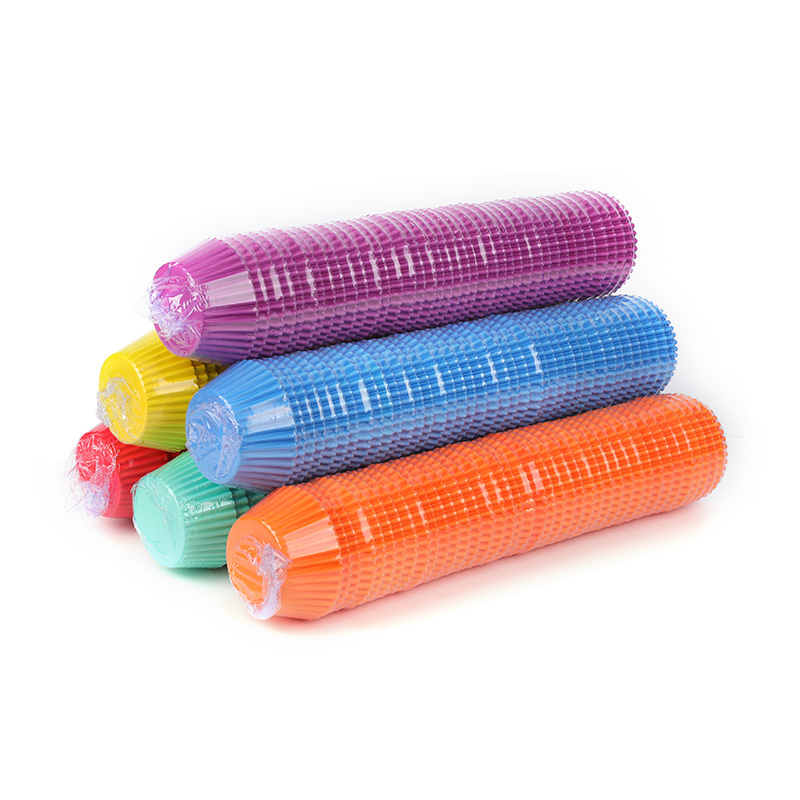
For wholesale accounts, it is also smart to log the count per inner sleeve, outer box dimensions, gross weights, and pallet stacking patterns. This data keeps your warehouse layout organized and helps avoid surprises on shipping costs.
Understand MOQ and Bulk Ordering Conditions
When you are tracking down PET film liners at a wholesale level, minimum order quantities change your purchasing math in a big way.
Your procurement team needs a clear read on:
- MOQ per size
- MOQ for custom printing
- MOQ for custom dimensions
- Sample quantity
- Reorder quantity
- Packaging quantity
- Production lead time
- Delivery options
A low initial MOQ makes it easy to run low-risk line trials, while major recurring contracts require a lot more careful planning around storage space and production targets.
Buyers should also confirm that the factory will hold onto the approved sample sleeves, artwork templates, and box layouts to serve as the baseline for all future reorders.
Ask About Customization Capabilities
Plenty of commercial brands need wrappers tailored to a highly specific product roll-out or box dimensions.
Common custom adjustments look at:
- Diameter
- Height
- Rim structure
- Folding pattern
- Printed design
- Logo
- Brand colors
- Packaging
- Quantity per pack
When ordering a custom PET film run, give the factory concrete technical data right from the start. Sending over a graphic design file isn't enough. The supplier will also need pan templates, target line volumes, food safety mandates, and your main distribution regions.
Always demand a physical batch of custom samples to approve before greenlighting the mass production run. It keeps both sides working from the exact same physical benchmark.
Compare Suppliers on More Than Price
Unit cost is obviously a big deal, but it shouldn't be the only box you check when picking a manufacturing partner.
A smart commercial audit should balance:
Product specification + sample performance + documentation + production consistency + MOQ + packaging + delivery + customization + communication
A dirt-cheap price quote loses its appeal fast if the cups force your team to constantly tweak the machines, jam up your line, or fail your quality documentation checks.
Partnering with a factory that delivers solid technical sheets and talks openly about custom tooling adjustments makes your whole procurement cycle a lot smoother.
Request Samples Before Confirming a Large Order
Running physical sample sleeves through your machinery is easily the smartest step you can take when sourcing PET film baking cups.
Your line team can map out a basic scorecard to track the trial:
| Test Stage | What to Record |
|---|---|
| Pre-baking | Liner dimensions and tray fit |
| Filling | Positioning and handling |
| Baking | Appearance and behavior under the bakery's process |
| Cooling | Shape and product presentation |
| Packaging | Fit with the final package |
| Repeat test | Consistency across several batches |
Once you have the numbers, stack your field notes against the technical sheets provided by the vendor.
On massive roll-outs, it's a good practice to sign off on a physical benchmark sample and a locked-in spec sheet. This gives your buying team and quality managers a clear standard to judge future shipments against.
Check Supplier Experience With Commercial Bakery Orders
Real-world factory experience isn't about using fancy trade jargon; it's about understanding how high-volume buyers actually make decisions under pressure.
When you are vetting a PET film cup manufacturer, see if the factory has a track record with:
- Wholesale production
- Custom sizes
- Printed bakery liners
- Food manufacturers
- High-volume bakery orders
- Export packaging
- Sample development
- Batch quality control
A reliable supplier will be completely honest about what their custom machines can and cannot do. Straightforward technical feedback from a factory rep is worth way more than a salesperson claiming their cup works flawlessly in every single setup on earth.
A Practical Buying Checklist for Bakeries
Run through this quick floor checklist before signing off on any new cupcake liner:
Product
- Confirm the complete paper-and-film structure
- Verify dimensions and tolerances
- Confirm the rim and folding design
- Review the intended application range
Production
- Test with the actual baking tray
- Test with the actual recipe
- Check filling and handling
- Evaluate the baked product
- Confirm packaging compatibility
Compliance
- Request applicable food-contact documentation
- Verify the information for the target market
- Review printing and coating documentation where relevant
Purchasing
- Confirm MOQ
- Check sample availability
- Confirm packaging quantities
- Review lead time
- Discuss customization
- Establish an approved sample for repeat orders
Questions to Ask a PET Film Cupcake Liner Manufacturer
Throw these direct questions at your vendor before finalizing any purchase order:
- What is the exact material structure of the liner?
- What dimensions and tolerances can you guarantee?
- Can you provide samples for testing with our baking trays and recipe?
- What temperature and application limits apply to the finished liner?
- Can you provide food-contact documentation for our target market?
- Is custom printing or sizing available?
- What is the MOQ for standard and customized products?
- How are dimensions and visual quality controlled during production?
- What packaging and storage conditions do you recommend?
- Can the approved sample be retained as a reference for future orders?
Getting clean, straightforward answers to this list lets your procurement team evaluate separate factories using the exact same metrics.
Final Purchasing Considerations
Sourcing PET film cupcake wrappers for an industrial kitchen always needs to start with the true demands of your production floor. Sizing, layering layout, pan fit, batter traits, oven settings, safety compliance, bulk packaging, custom tooling, and quality limits all need a close look before you commit to a mass wholesale run.
The most reliable workflow is basic: define your exact floor setup, lock down the technical specs, demand physical samples, run them through your actual machinery, audit the regulatory paperwork, and sign off on a benchmark version before opening a long-term supply line.
For factories and suppliers, handing over complete data sheets, clean sample sleeves, clear custom options, and solid safety paperwork makes life simple for commercial buyers. For sourcing teams, running a structured evaluation ensures that the wrappers you buy are fully compatible with your everyday commercial baking process.