English
 Español
In commercial baking, cupcake liners are a big part of the actual production setup, not just a pretty way to show off the treats. The right cup has to match your baking sheets, batter weight, oven heat, depositor settings, product dimensions, and final packaging. For commercial bakeries pumping out hundreds or thousands of cakes in a single run, even a tiny mismatch in cup sizing or handling can mess up your consistency across the board.
Roll mouth cupcake liners are just one option used in wholesale baking where the top border of the paper cup is finished with a rolled or shaped rim. The actual layout, paper type, dimensions, and ideal uses can change depending on which supplier you ask, so production managers should double-check the technical details before putting down cash for a massive bulk order.
This guide breaks down how roll mouth baking cups work on a commercial floor, what sourcing teams should check before ordering, and how picking the right liner ties your whole bakery operation together.

What Are Roll Mouth Cupcake Liners?
Roll mouth cupcake liners are paper baking cups that feature a pre-formed rim along the top opening. This rolled edge does a solid job of giving the cup a rigid frame, which can make them a lot easier to handle during staging and filling, depending on the tool design and your specific setup.
On a factory line, these paper liners drop straight into matching baking sheets or multi-cavity molds before the batter gets squirted in. The cup then hugs the baked item through the cooling rack, handling lines, and final boxing.
The label "roll mouth" mostly just describes the shape around the rim of the cup. Don't go treating it like a standard industry spec sheet. Different suppliers make these things with distinct rim styles, base widths, paper weights, finishes, and sleeve packaging.
Because of this, buyers really need to look at the complete spec sheet instead of grabbing a box based only on what it is called.
How Are Roll Mouth Cupcake Liners Used in Commercial Baking?
The everyday workflow is fairly straightforward, even though production machinery and line setups change a lot from shop to shop.
1.Preparing the Baking Tray
The crew first pulls a baking tray or custom mold that lines up with the cup dimensions. Getting a proper match keeps the paper cups from shifting around when you are filling and baking.
For automatic or semi-automatic dispensing, tray matching is a massive deal because the cup denester and the batter pump have to run smoothly inside the same machine loop.
2.Placing the Liners
Next, the paper cups are dropped into the individual holes of the baking pan. Depending on your daily volume, workers might load them by hand, or you use a cup-dropping machine built for baking lines.
At this stage, line workers are mostly looking for straight alignment. A liner that goes in folded, crooked, or upside down can throw off how the batter flows and ruin the final look of the cupcake.
3.Filling With Batter
Once the paper cups are seated in the pan, the batter depositor portions a precise drop into each one.
You have to keep that batter volume under tight control based on your recipe, cup size, and the final cupcake profile you want. Dumping too much batter causes the cake to spill over the sides, while under-filling leaves you with a tiny cupcake that looks bad on the shelf.
On high-volume runs, uniform filling is directly tied to keeping your product matching your store specs.
4.Baking
The loaded sheets go straight into the commercial ovens under the bakery’s normal baking profile.
How well the paper cup behaves in the oven depends on a bunch of variables—like the exact paper density, batter moisture, oven temp, timing, grease levels, and the design of the baking pan itself.
Since these settings are all over the place depending on the facility, commercial bakers should test any new liner with their own recipes before running a huge batch.
5.Cooling and Handling
Once they pull the pans from the heat, the cupcakes hit the cooling lines before anyone touches or boxes them.
That paper wrapper stays wrapped around the cake and becomes part of the final retail look. At this point, keeping a uniform cup shape and clean edges is important for baked goods sold by the piece, in multi-packs, or sent to catering accounts.
6.Packaging
After cooling down, the cupcakes are loaded into boxes, plastic trays, clamshells, or other retail packaging.
The outer dimensions of the cup directly affect how cleanly the cupcakes slide into their retail dividers. Because of that, you should think about your cup selection and your final packaging layout at the exact same time.
Why Liner Dimensions Matter in Commercial Production
A cupcake liner looks like a completely basic paper part, but its sizing can impact several steps on your production line.
| Liner Factor | Potential Production Impact |
|---|---|
| Top diameter | Affects tray compatibility and finished product presentation |
| Base diameter | Influences how the liner sits in the baking cavity |
| Height | Relates to batter volume and product shape |
| Rim structure | Affects handling and opening shape |
| Paper specification | Influences behavior under the bakery's process conditions |
| Folding pattern | Can affect the appearance of the finished liner |
| Packaging format | Determines storage and handling convenience |
The right sizing depends entirely on your specific recipe, pan molds, target cake size, and boxing setups.
For any commercial outfit, running a quick sample trial reveals real-world glitches that you will never notice on a blueprint drawing.
Roll Mouth Cupcake Liners and High-Volume Bakery Production
Large-scale bakeries live and die by repeatability. You need a wrapper that drops into your current line setup without causing annoying jams or extra handling issues.
You usually see these cups running in facilities like:
- Commercial bakery plants
- Mass cake and cupcake manufacturers
- Foodservice supply houses
- Regional bakery chains
- Industrial dessert factories
- Wholesale baking lines
- Co-packing food facilities
The floor setup can be anything from simple hand-loading tables to fully automated conveyor lines.
For manual shops, an easy-to-grip cup and stable sizing help workers fill trays fast. For mechanical lines, dimensional consistency is a must-have because cup feeders and denesters need predictable geometry to work without jamming up.
That is exactly why wholesale buyers always demand a sleeve of samples before signing off on a major order.
What Should Bakeries Test Before Buying Cupcake Liners in Bulk?
A spec sheet is handy, but it doesn't replace an actual run on the baking floor.
A commercial kitchen can check a few critical points during a trial run:
Fit With Existing Baking Trays
Drop the sample cup straight into the actual baking pans you use every day. See if it sits flush in the hole and stays put when the machine starts moving.
Response to the Bakery's Recipe
Bake a batch using your real, everyday batter. Your fat ratios, moisture levels, sugar content, and other recipe traits change how the paper reacts to the bake.
Appearance After Baking
Check the finished cupcakes for things like:
- Liner shape distortion
- Burnt or collapsed edges
- General retail presentation
- Batch-to-batch consistency
- Ease of peeling or handling
- Packaging Compatibility
Load the finished cakes directly into your retail boxes or clamshells. This lets you confirm if the outer edges of the cup play nice with your final packaging dimensions.
Production Handling
Run the cups through the regular pace of your production staff or automated gear. A liner that works nicely in a small test kitchen might fail completely when you subject it to high-speed industrial conditions.
Common Problems When Using the Wrong Cupcake Liner
Wholesale bakeries run into all kinds of annoying line issues when their cups aren't matched properly to the job.
Poor Fit in the Baking Tray
A paper cup that is slightly too wide or too small won't sit flat in the pan. This messes up your alignment and slows down your loading speeds.
Inconsistent Cupcake Size
Cupcake volume depends a lot on your depositor and oven settings, but the physical wrapper establishes the base footprint available for the cake to expand into.
Deformed or Misaligned Liners
Bad loading habits, mismatched pan sizes, rough handling, or buying the wrong product specs leave you with finished cupcakes that look sloppy and uneven.
Packaging Problems
A cupcake might look perfectly acceptable coming off the cooling belt, but it becomes a massive headache to pack if the paper edges flare out too wide for your retail boxes.
Procurement Inconsistency
For large-scale operations, size variations between separate shipping batches can turn into a procurement and quality-assurance nightmare. Sourcing managers should talk tolerances, paper stock, packaging sleeves, and inspection rules with the factory ahead of time.
How to Choose Roll Mouth Cupcake Liners for Commercial Baking
A practical purchasing plan can start by checking off these basic criteria.
| Purchasing Requirement | Questions to Ask |
|---|---|
| Dimensions | What are the top, base, and height measurements? |
| Rim design | How is the roll mouth formed? |
| Paper specification | What paper type and specification are available? |
| Application | Is the liner intended for the bakery's process? |
| Tray compatibility | Will it fit the current baking mold? |
| Printing | Is custom printing required? |
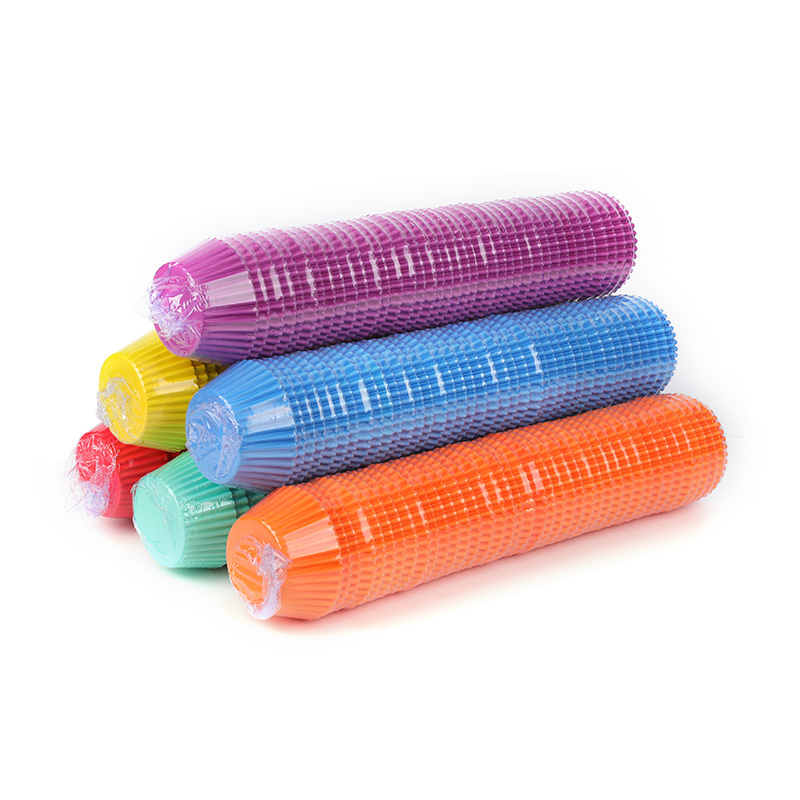
| Packaging | How are the liners packed and delivered? |
| MOQ | What quantity is required for a production order? |
| Samples | Can production samples be tested? |
| Customization | Can dimensions or design details be adjusted? |
| Quality control | How are specifications checked during manufacturing? |
These details are incredibly relevant for high-volume purchasing managers and co-packers who need steady, predictable repeat orders.
Custom Roll Mouth Cupcake Liners for Bakery Brands
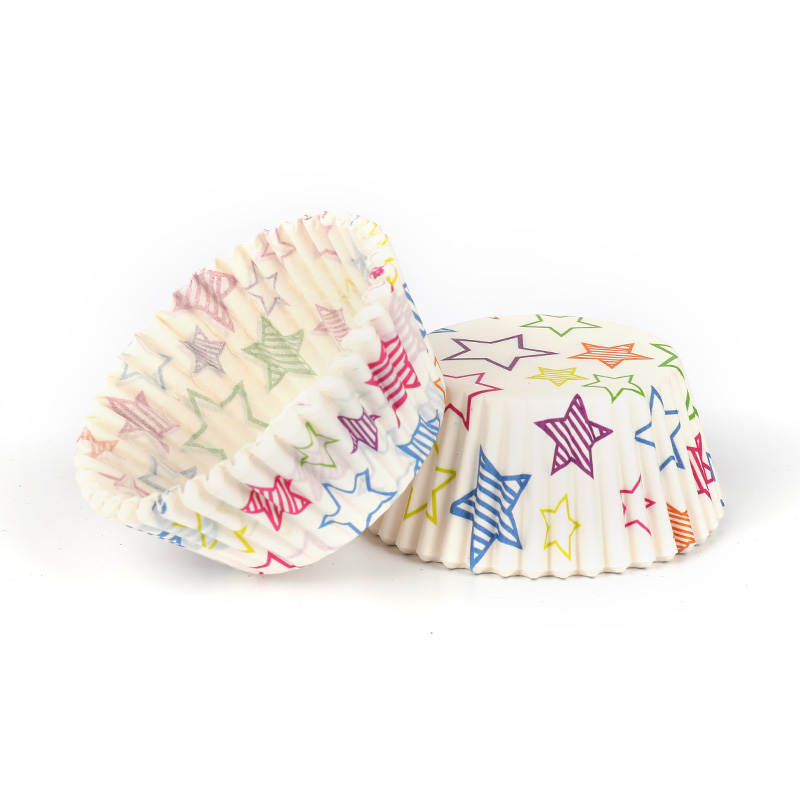
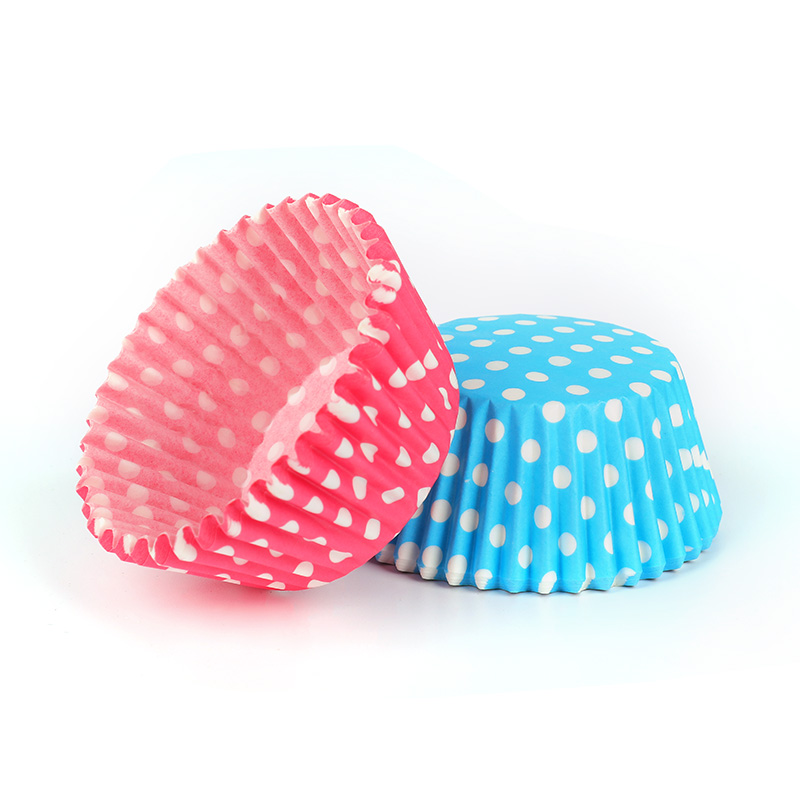
Plenty of baking operations need something outside of the standard catalog catalog sizing. They might require a unique width, an extra-rigid rim, custom branding prints, specialized bulk packing, or custom order quantities.
Custom paper cups are a common route for:
- National bakery brands
- Private-label grocery brands
- Large catering outfits
- Multi-location restaurant groups
- Seasonal or holiday product runs
- Branded dessert box programs
Before you ask a factory for a custom build, get your basic technical specs together. You'll want your target cup dimensions, pan layout blueprints, expected annual volume, print artwork files, sleeve packaging preferences, and a quick breakdown of your baking process.
The manufacturer can then see if the configuration works with their tooling and send over some physical mockups for you to test.
Food-Contact and Compliance Considerations
Cupcake wrappers touch food directly, so wholesale buyers have to stay on top of the regulations in their distribution zone.
The specific rules change depending on the country or territory where your baked goods hit retail shelves. Sourcing teams should always ask suppliers for the correct material safety data, lab test results, compliance declarations, or official paperwork for the target market.
This paperwork is a massive deal when you are buying for:
- Major retail grocery programs
- International export shipments
- Industrial food processing plants
- Corporate chain bakeries
- Private-label supply loops
- Regulated consumer food markets
The factory needs to hand over paperwork that matches the exact paper stock and ink setup being delivered to your facility. Sourcing teams should cross-check this documentation against their own internal compliance and customer mandates.
Storage of Baking Paper Cupcake Liners
Once the freight unloads, your warehouse environment can impact how these paper baking supplies perform.
Commercial bakeries need to stick to the factory storage tips to protect the paper from moisture spikes, dust buildup, and crushing damage. Keep your storage rooms clean, dry, and set up properly for food-grade packaging materials.
Don't go stacking these boxes anywhere near water lines, AC condensation drips, or high-humidity spots that can warp the paper or soften the cups.
On large-scale setups, keeping a tight first-in, first-out inventory rotation ensures your production lines run fresh stock and keeps packaging sleeves from sitting on index racks for too long.
Why Samples Matter Before a Wholesale Order
For buyers sorting through roll mouth cupcake liners at a wholesale level, checking samples is a necessary move because the final look of your cake depends entirely on how the paper reacts with your total production system.
A standard line test usually looks like this:
Check cup specs → test in baking pan → run a batter drop → bake in oven → check cooling line → test inside retail box → review total line speed
This method lets the bakery catch unexpected headaches before signing off on a massive purchase contract.
It also gives your quality-control team a clear benchmark for future shipments. Once the dimensions, paper stock, logo printing, sleeve counts, and approved samples are locked in, your upcoming orders can be checked against those exact requirements.
Questions to Ask a Roll Mouth Cupcake Liner Manufacturer
Before you pick a supplier, commercial buyers can throw out these questions:
Can you send over some trial sleeves for a baking run?
This is the easiest way to check pan alignment and real oven performance.
What sizing configurations do you keep in stock?
The manufacturer should give you a clear chart of top, base, and height options.
Can we adjust the roll mouth rim style?
The answer depends entirely on their factory tooling and machine setups.
Do you handle custom brand printing?
For branded retail items, you need to check their ink limits and artwork layout specs.
What is your minimum order threshold?
Knowing the MOQ changes how you plan your cash flow, storage footprint, and launch schedules.
How are these packed for shipping?
The case packaging should match your staging habits and rack storage needs.
What kind of quality tracking do you do on the line?
Keeping a tight dimensional eye stops variation from messing up repeat wholesale runs.
Can you hand over technical safety sheets?
This is an absolute requirement for food manufacturers and export compliance.
Building a Consistent Commercial Baking Process
Roll mouth cupcake wrappers are just one single cog in a massive factory line. Getting uniform results out of your shifts depends on your batter recipe, depositor accuracy, pan dimensions, oven profiling, cooling times, boxing gear, and how your team sets up the machines.
That is why wholesale buyers need to look at a cupcake cup based on how it behaves through the entire workflow.
For commercial plants running at a large scale, the real goal is locking down a cup specification that behaves predictably with the machinery you already have on the floor and can be delivered repeatedly. Having an open technical chat with the manufacturer, paired with real floor testing and written specs, gives you a solid foundation for long-term purchasing.