English
 Español
Cupcakes are small desserts, but their presentation can have a surprisingly strong effect. A simple cake can look casual, playful, elegant, or festive depending on how it is finished and served. Frosting gets much of the attention, yet the liner around the cake also plays a quiet role.

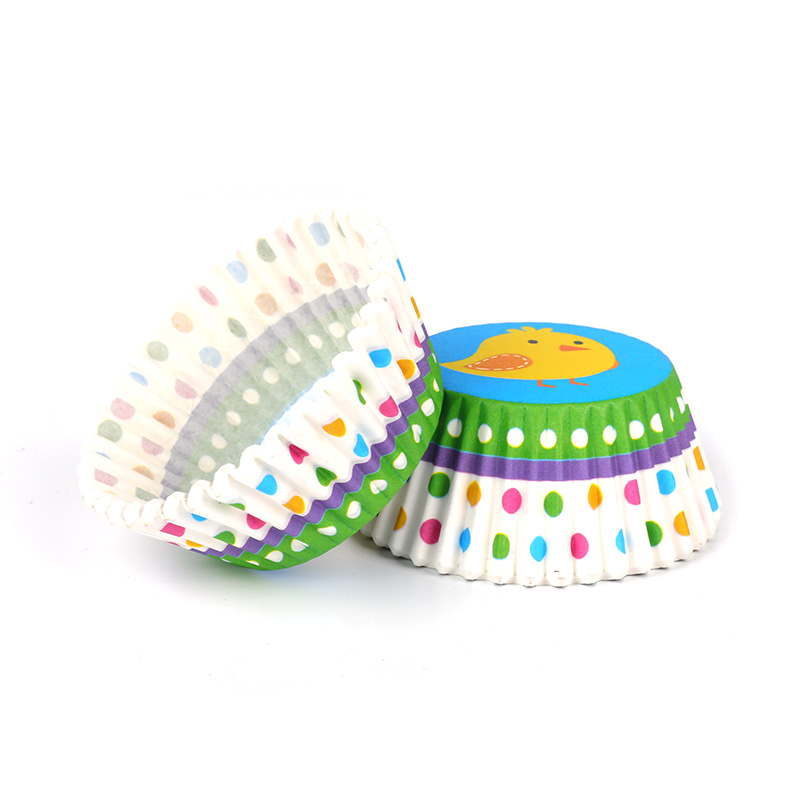
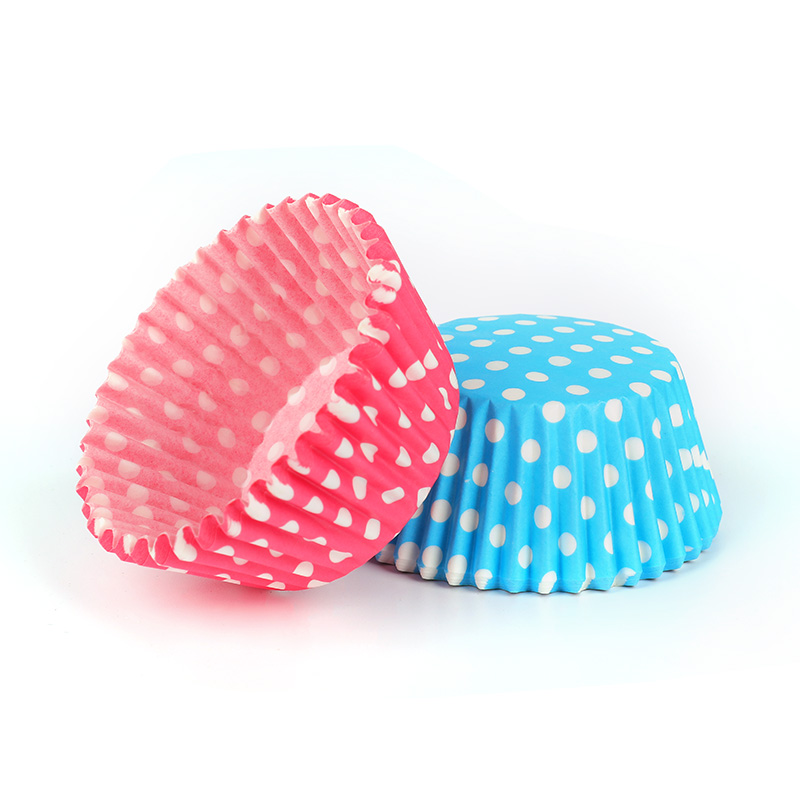
Pink Polka Dot Cupcake Liners offer an example of how packaging can become part of dessert design. The pink background brings a soft and cheerful tone. The polka dot pattern adds movement without making the design complicated. Together, these details can change how a familiar cupcake appears on a plate.
This idea reflects a wider interest in presentation within everyday baking. People are not only thinking about recipes. They are also considering color, pattern, serving style, and the small details that make homemade food feel personal.
A cupcake liner is still a practical baking accessory. At the same time, its visible design can influence the overall appearance of the finished dessert. That makes it more than something placed around a cupcake during preparation.
Why Can a Cupcake Liner Become Part of Dessert Design?
Dessert design does not always require elaborate decoration. A cupcake may already have frosting, sprinkles, fruit, chocolate pieces, or other toppings. Adding too many details can make the appearance feel busy.
A printed liner offers another approach. Instead of placing decoration directly on the cake, part of the visual work is carried by the liner.
Pink Polka Dot Cupcake Liners create a clear visual boundary around an individual dessert. The pattern gives the lower part of the cupcake its own character. This can make the cake appear more complete even when the topping remains simple.
The idea is similar to choosing a frame for a picture. The frame does not change the picture itself. It changes how the picture is presented.
A cupcake liner can work in much the same way.
A plain cupcake with a simple cream topping may look understated when placed in an ordinary liner. The same cupcake can feel more playful when surrounded by pink and polka dots.
This does not mean the liner should dominate the dessert. Its role can be subtle. It adds another layer to the presentation while allowing the cake and topping to remain the main food elements.
For home bakers, this creates an easy way to introduce personality without learning complicated decorating techniques.
How Do Pink and Polka Dots Change the Look of a Cupcake?
Color and pattern communicate visually before anyone tastes the dessert. Pink is often associated with softness, warmth, sweetness, and a lighthearted mood. Polka dots add a sense of rhythm through repeated shapes.
When these two elements appear together, the result can feel cheerful without being overly elaborate.
The effect can vary depending on the rest of the dessert. A white frosting can create a clean contrast. Chocolate can produce a warmer and richer combination. Fruit toppings can introduce additional color. Even a simple dusting of sugar can work with the liner without competing with it.
This flexibility gives the pattern room to work across different baking styles.
| Design Element | Possible Visual Effect |
|---|---|
| Pink Background | Creates a soft and cheerful base |
| Polka Dot Pattern | Adds rhythm and playful character |
| Simple Frosting | Keeps the overall look balanced |
| Fruit Topping | Introduces another layer of color |
| Chocolate Decoration | Creates a richer contrast |
| Matching Dessert Display | Builds a more connected presentation |
The important point is balance. A patterned liner does not need a heavily decorated cupcake to make an impression.
In many cases, a simple cake allows the pattern to be noticed more clearly.
What Makes Polka Dots Interesting in Dessert Presentation?
Polka dots have a familiar visual quality. The repeated circles create order while still feeling informal. They can remind people of handmade crafts, party decorations, gift wrapping, and other cheerful design styles.
That familiarity gives the pattern a wide range of uses.
A baker preparing cupcakes for a child's gathering may choose polka dots because they feel playful. Someone preparing homemade treats for friends may use them to create a relaxed presentation. A small bakery may also find patterned liners useful when creating a particular visual style for a product range.
The pattern does not tell people exactly how to decorate the cupcake. It leaves room for interpretation.
This is one reason simple patterns can work well in food presentation. They provide visual direction without demanding a complete theme.
A polka dot liner can also help individual cupcakes look connected when several are displayed together. Even if the toppings differ slightly, the shared pattern gives the group a common element.
That can be useful on dessert tables where many small items are arranged together.
The pattern becomes part of the overall scene rather than an isolated decoration.
Can Pink Polka Dot Cupcake Liners Support Different Baking Occasions?
A major advantage of decorative liners is their ability to fit different settings.
Cupcakes are often prepared for birthdays, family gatherings, school-related celebrations, afternoon snacks, parties, and casual visits. Each occasion may call for a slightly different presentation.
Pink polka dots can work across many of these situations because the design is decorative without being tied to one specific event.
For a casual gathering, the liners can add color to an otherwise simple table. For a themed celebration, they can become one part of a larger color arrangement. For homemade gifts, they can make individual cakes appear more carefully prepared.
The same concept can apply to seasonal baking. A baker does not always need a holiday-specific image or message. A color and pattern combination can create a festive feeling while remaining flexible.
This can also make planning easier.
Instead of choosing separate packaging for every occasion, bakers can select designs that have a broader visual appeal. Pink polka dots are one example of a pattern that can move between everyday and celebratory settings.
The final effect still depends on the surrounding details. Plates, trays, toppings, napkins, and other serving items can either complement the liner or create contrast.
The liner becomes one piece of a larger visual arrangement.
How Can Bakers Match Cupcake Liners With Dessert Styles?
Matching does not mean every part of a dessert needs to use the same color. In fact, too much coordination can make a display feel predictable.
A better approach is to look at the relationship between the liner and the other visible elements.
A pink polka dot liner may work with light frosting when the goal is a soft appearance. A darker cake can create a stronger contrast. Fresh fruit can bring a natural visual element to the design.
There is also room for different decorating approaches.
A baker who prefers simple cupcakes can use the liner as the main decorative feature. Someone who enjoys detailed decoration can treat the liner as a supporting element.
Here are several ways to create a balanced look:
Keep the topping simple.
A modest frosting design allows the liner to remain visible.
Use related colors.
Pink can be paired with soft or neutral shades when a gentle appearance is preferred.
Create contrast.
Darker cake colors or toppings can make the pink pattern more noticeable.
Repeat the pattern selectively.
Polka dots can appear on serving decorations without covering every part of the table.
Leave some visual space.
A clean presentation gives the pattern room to stand out.
These choices show why a cupcake liner can influence more than the lower edge of a dessert. It can affect the way the entire serving is planned.
Where Does Decorative Packaging Fit Into Everyday Baking?
Decorative packaging is often associated with commercial products, but the idea has become common in home baking as well.
People bake for many reasons. Some enjoy the process. Some prepare food for family members. Others like sharing homemade desserts with friends. Presentation can add another layer to these experiences.
A patterned cupcake liner is easy to incorporate into familiar baking habits. There is no need to change a favorite recipe simply because the presentation is changing.
The cake can remain the same.
What changes is the way it is framed.
This makes decorative liners especially interesting for everyday baking. They can give ordinary cupcakes a little more visual character without turning the preparation into a major project.
For homemade gifts, this can be particularly useful. Individual cupcakes already have a convenient serving format. A decorative liner can help them look more intentional when arranged in a box or on a tray.
Small food businesses can also think about liners as part of product presentation. A consistent pattern may contribute to the visual identity of a group of baked goods without requiring extensive decoration on every individual cake.
This approach puts attention on the connection between food and packaging.
The packaging is no longer something added after the dessert is finished. It becomes part of the design from the beginning.
Could Cupcake Packaging Influence How People Experience Desserts?
People usually see food before they eat it. The visual presentation can create expectations about what is coming.
A cupcake surrounded by a colorful patterned liner may feel more playful than the same cake presented in a plain wrapper. That does not change the flavor, texture, or recipe. It changes the setting in which the dessert is experienced.
This distinction is important.
Packaging should not be viewed as a replacement for food quality. Instead, it can support the overall experience.
A well-presented cupcake can feel appropriate for sharing. It may also encourage people to notice small details, especially when several desserts are arranged together.
Social occasions make this particularly visible. A dessert table is not simply a place where food is stored. It can become part of the atmosphere of a gathering.
Colorful liners can help create that atmosphere.
Pink polka dots may suggest a cheerful and relaxed mood. A different color or pattern could create another impression. This gives bakers a simple way to explore visual storytelling without changing the basic dessert.
In this sense, packaging becomes a communication tool.
It can suggest a mood, support a theme, or simply make a familiar dessert feel less ordinary.
What Does This Mean for the Future of Cupcake Presentation?
The growing attention to dessert presentation does not mean every cupcake needs complicated decoration. Quite the opposite may be true.
Simple design choices can have a useful role.
A colored liner, a repeated pattern, or a carefully chosen serving arrangement can change the appearance of a dessert without adding much complexity to the baking process.
Pink Polka Dot Cupcake Liners fit naturally into this idea. They combine a recognizable color with a familiar pattern. The result is easy to understand at a glance.
For home bakers, this creates more freedom to experiment. The recipe can stay familiar while the presentation changes.
For food businesses, decorative liners can also offer another way to think about product appearance. Instead of placing all visual attention on frosting and toppings, packaging can become part of the design language.
The relationship between the cake and its liner can influence the final look. A simple cupcake may appear more playful. A homemade gift may feel more thoughtfully arranged. A dessert table may gain a clearer visual connection between individual portions.
The liner remains a small part of the overall product, but its position makes it highly visible.
That is what makes decorative cupcake packaging interesting. It does not need to compete with the dessert. It can quietly shape the way the dessert is presented, shared, and remembered.