English
 Español
Paper cupcake liners do a lot in a commercial bakery. They hold the shape, make handling easier, improve how the product looks, help with packaging. For a shop pushing out hundreds or thousands of cupcakes a shift, the right liners and a steady workflow cut interruptions, reduce waste, improve the finished product.
But getting good results isn't just dropping liners into trays. Liner dimensions, paper construction, baking conditions, filling accuracy, storage practices, equipment compatibility—all of it matters. Know how to use paper liners properly and you keep things consistent even on a punishing schedule.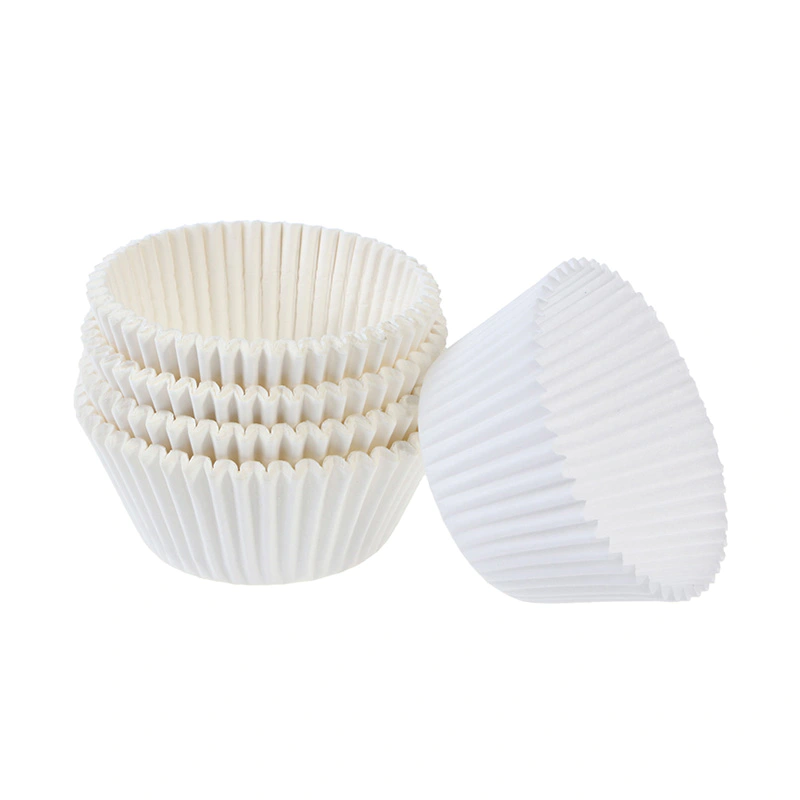
Choose Paper Cupcake Liners That Match Your Production Requirements
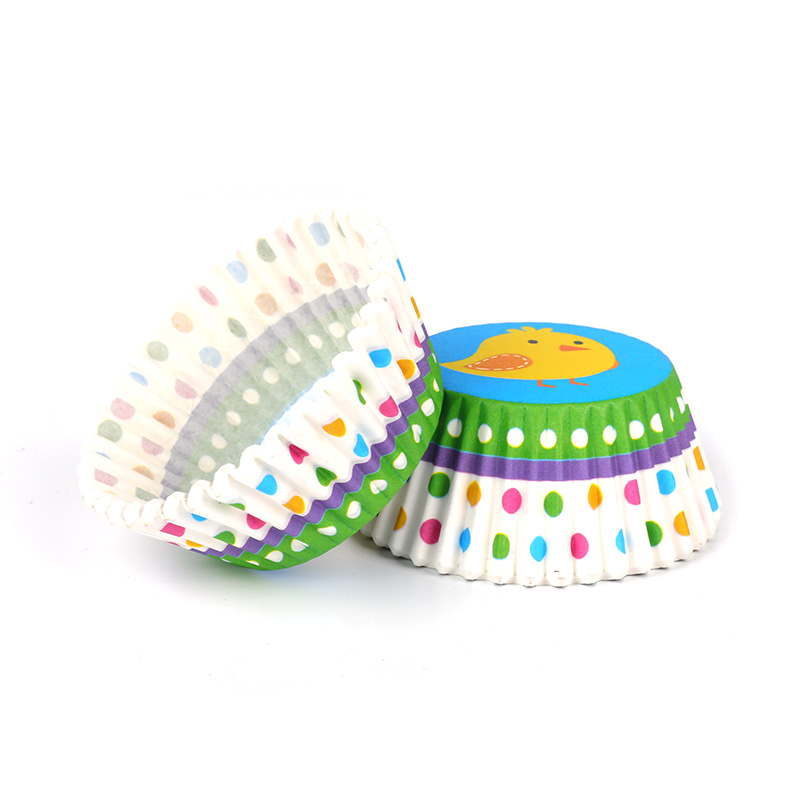
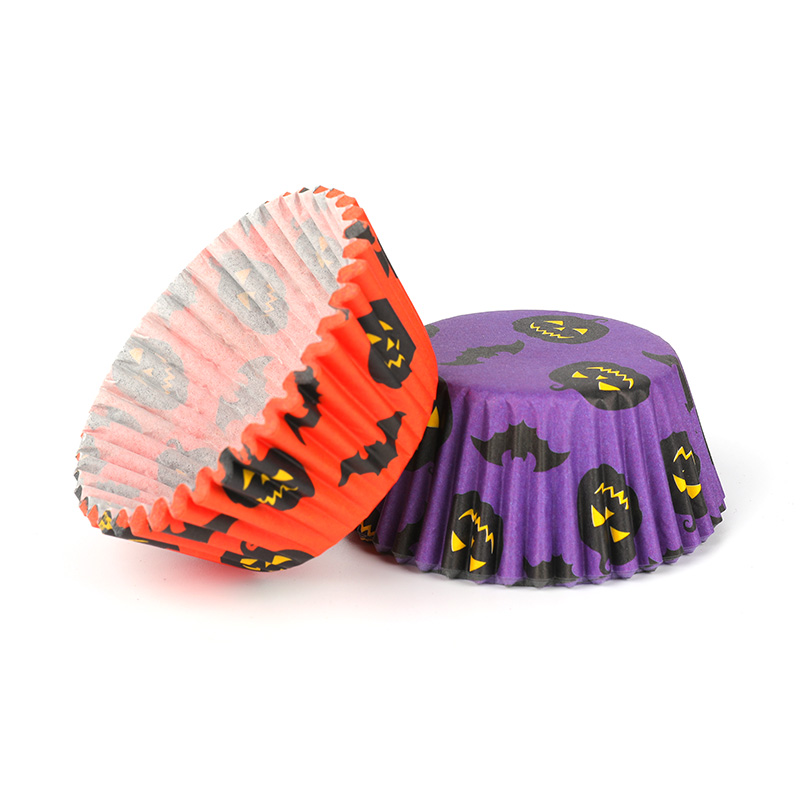
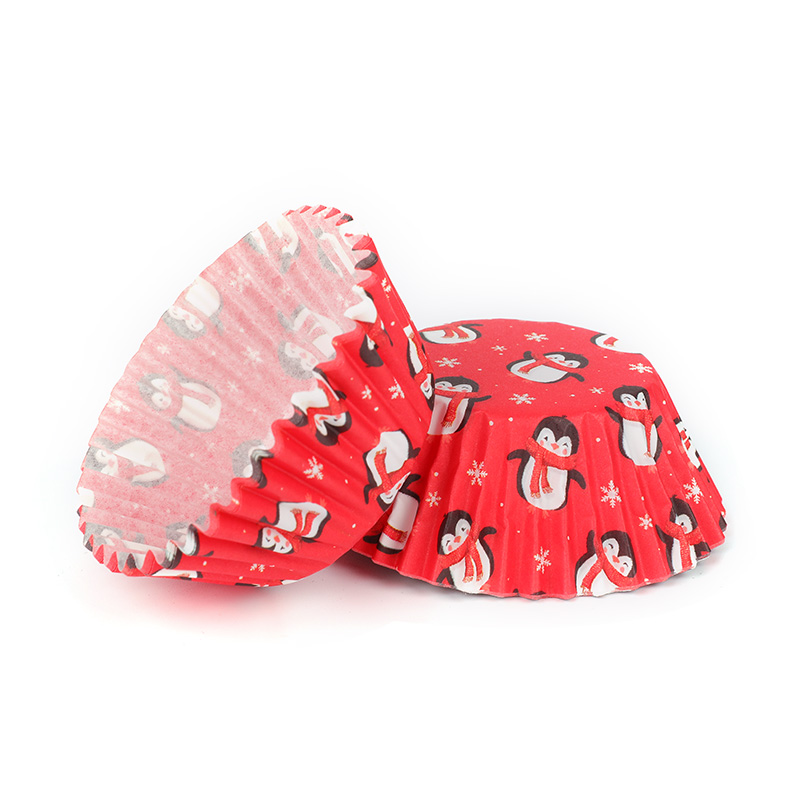
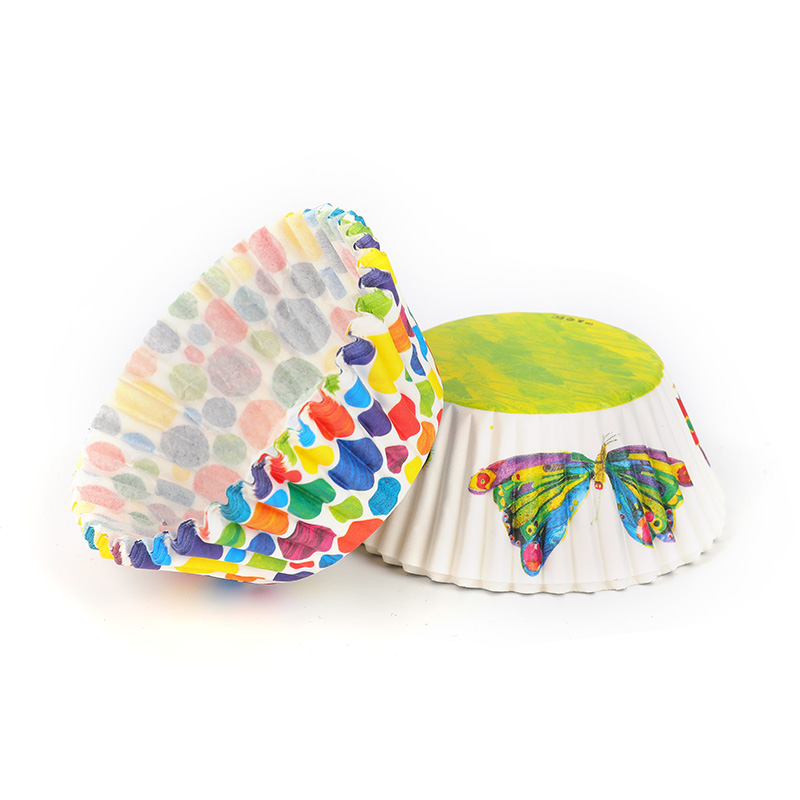
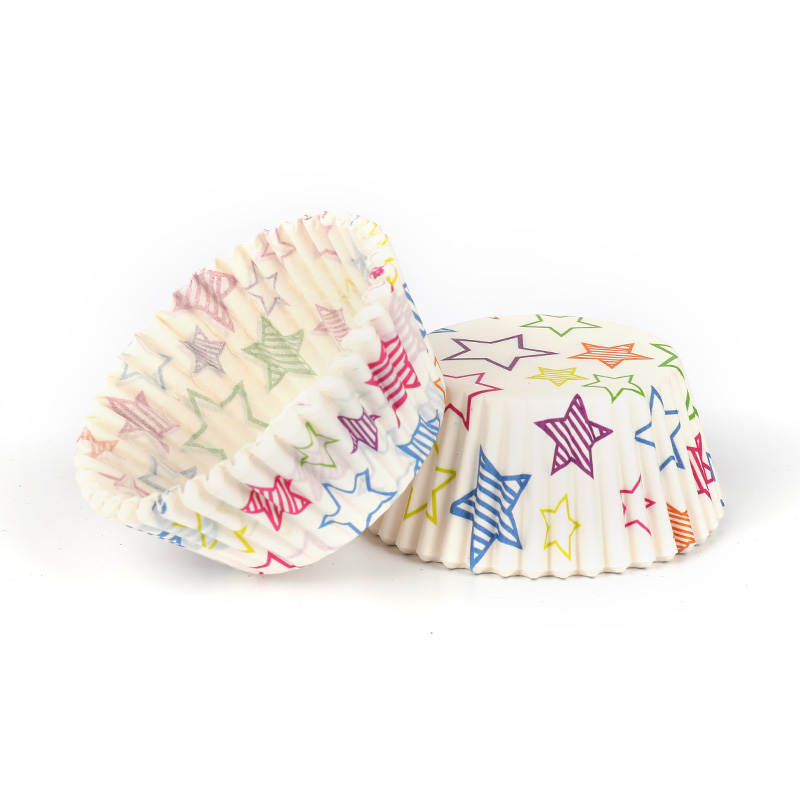
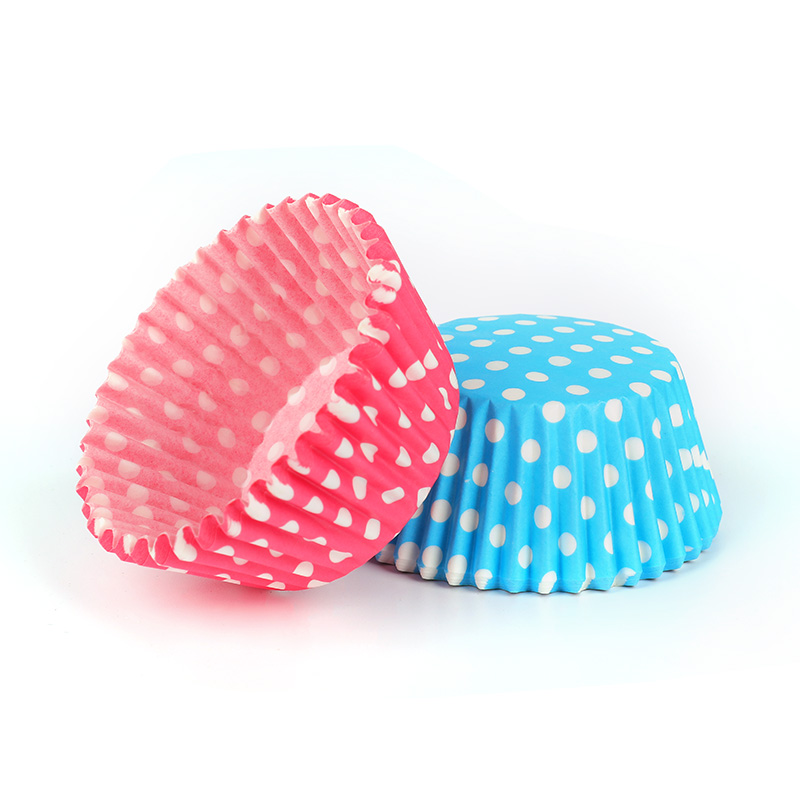
Start by picking liners designed for your products, equipment, and volume. Liners vary in paper weight, grease resistance, shape retention, color, baking performance. Standard paper liners work for many everyday cupcakes. Grease-resistant varieties reduce visible oil marks and improve presentation, especially with butter-, chocolate-, or fat-heavy recipes. Decorative liners make sense for retail display—if their specs support the baking process.
Before buying, check:
- Diameter and height: Match liner dimensions to your tray cavities.
- Paper construction: Does the material hold its shape during filling and baking?
- Grease resistance: Pick a grade that suits the recipe's fat content.
- Temperature rating: Confirm the liner is designed for your oven conditions.
- Food-contact compliance: Request relevant supplier documentation for your market.
For high-volume bakeries, batch-to-batch consistency is critical. Set an approved liner spec. Verify that repeat orders match the agreed dimensions and performance.
Prepare Baking Trays and Automated Equipment Correctly
Before production, inspect trays, liner dispensers, filling equipment. Clean trays per your sanitation procedures. Check cavities are dry and free of damaged edges or residue.
Seat each liner securely in its cavity. Liners should sit upright—no folded rims, uneven positioning, crushed sides. Poor alignment leads to inconsistent shapes and makes automated depositing less accurate. Using automated dispensers? Confirm liners feed smoothly and separate individually. Differences in paper stiffness, dimensions, or nesting affect dispensing. Run a test after changing liner suppliers or starting a new batch.
Manual placement works for smaller lines. Automated dispensing improves throughput when liner specs stay consistent. Either way, operators should watch for misplaced liners and pull damaged ones before batter goes in.
Control Batter Filling for Consistent Results
Accurate filling is essential in commercial production. Uneven batter amounts create differences in height, bake time, appearance, finished weight. Use calibrated depositing equipment where possible. Set a target batter weight or fill level for each product. The right amount depends on recipe, liner dimensions, batter expansion, baking method.
| Production step | Recommended practice | Quality benefit |
|---|---|---|
| Liner placement | Seat each liner evenly in the tray cavity. | Supports consistent cupcake shape. |
| Batter depositing | Use a verified target weight or fill level. | Reduces variation between products. |
| Tray inspection | Check for folded, missing, or damaged liners. | Prevents spills and rejects. |
| Oven loading | Follow the validated tray arrangement. | Promotes consistent baking conditions. |
| Finished-product inspection | Check shape, color, and liner adhesion. | Identifies process problems early. |
| Packing | Use suitable handling and cooling procedures. | Protects appearance and product integrity. |
Don't overfill. Excess batter overflows, makes a mess on trays, and finished cupcakes stick together. Underfilling gives you small products and sad presentation. When you change recipes, liner sizes, or depositing equipment, re-verify the target fill quantity. Don't assume the old setting still works.
Match Liner Performance to Baking Conditions
Liners have to handle your time and temperature conditions. High oven temps, long exposure, fat-heavy recipes—they affect liner color, stiffness, release characteristics. Follow the liner manufacturer's stated temperature limits and intended-use instructions. Validate baking parameters for your recipe, tray material, oven type, product size.
Cupcakes sticking to liners? Investigate several causes. Formulation, moisture content, cooling time, liner construction, baking conditions all influence release. Changing the liner might help, but find the underlying cause before making a big purchasing decision. Visible grease marks don't necessarily mean a manufacturing defect. They may reflect the recipe's fat content or the liner's grease resistance. Compare samples under the same baking conditions before approving a new product.
Maintain Hygiene and Safe Handling Throughout Production
Food safety still matters even when liners are disposable. Store unused liners in clean, dry, covered packaging. Protect from dust, moisture, splashes, direct contact with chemicals. Operators should follow handwashing, equipment-cleaning, ingredient-handling procedures. Liners that hit contaminated surfaces, get wet, or sustain damage? Toss them.
Keep liner storage away from waste and cleaning supplies. Rotate stock so older inventory gets used. Inspect deliveries for damaged cartons, moisture exposure, packaging inconsistencies. For commercial buyers, supplier documentation should identify the intended food-contact application and provide applicable compliance info. Decorative liners, printed designs, specialty finishes—confirm they're suitable for your baking conditions.
Optimize Storage, Purchasing, and Quality Control
High-volume bakeries need a reliable liner supply. Running out of the right size stops production. Inconsistent replacements mess with automated feeding, product dimensions, retail presentation. Work with suppliers to define specs, order quantities, delivery schedules, acceptance criteria. For large orders, evaluate samples under actual production conditions before approving bulk supply.
A practical incoming QC process: check liner diameter, height, appearance, paper consistency, packaging condition, compatibility with dispensing equipment. Record defects by batch so recurring issues can be discussed with the supplier. Track liner consumption, production rejects, dispensing problems over time. These records tell you whether changes in purchasing, storage, or equipment settings would improve efficiency.
Build a Repeatable Paper Cupcake Liner Workflow
Efficient commercial baking relies on a repeatable process: select a suitable liner, verify equipment compatibility, control batter filling, validate baking conditions, inspect finished products. Clear specs and routine quality checks make it easier to stay consistent across shifts. For bakeries sourcing liners at scale, the right purchasing decision balances product performance, food-contact compliance, supply consistency, total operating cost. Testing liners with your actual recipe and production equipment gives you a practical basis for supplier approval and long-term quality control.