English
 Español
Cupcake liners are easy to overlook. They sit at the bottom of the product, mostly hidden, doing a job nobody thinks about. But customers do notice them—not consciously, maybe, but the color, the pattern, the way a wrapper peeks out from under frosting all feed into how a bakery is perceived. For owners trying to build something recognizable, those small details deserve more attention than they usually get.
They won't fix bad baking. But they can make good baking look like it came from somewhere specific.
Choose Liners That Match Your Brand Identity
A common mistake is picking liners based on personal taste rather than brand fit. Those aren't always the same thing.
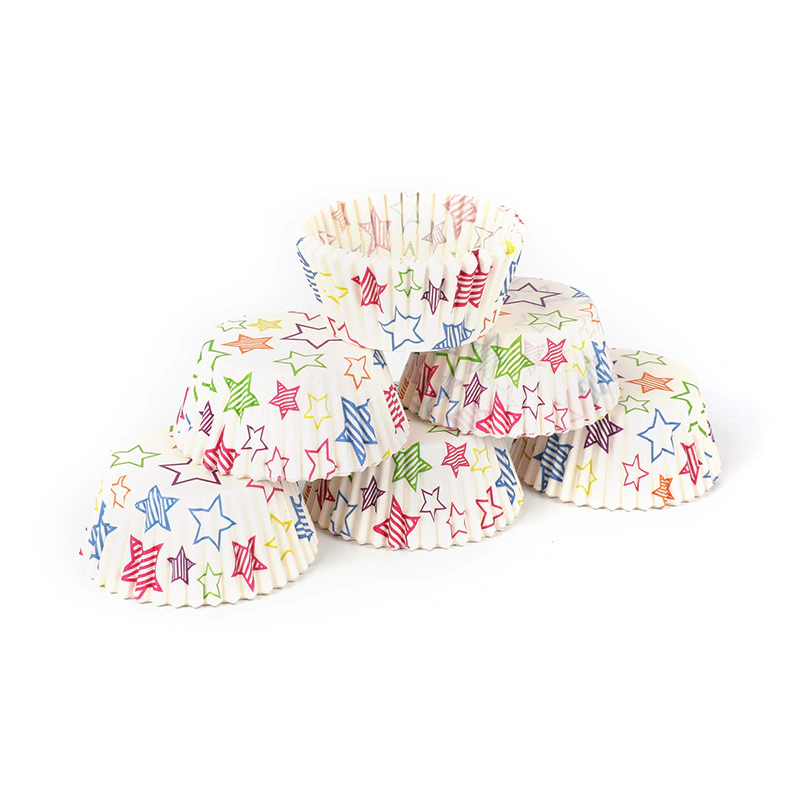
Before ordering, get clear on what the bakery represents. A premium shop might lean toward neutral tones and restrained patterns. A family-oriented business may do better with bright colors and playful prints. A wedding-focused bakery could choose elegant designs that tie into event decor. None of these directions is wrong—they're just different answers to the question of who you're trying to reach.
Three factors matter most: brand colors, product positioning, customer expectations. Choose shades that work with your logo and packaging. Select patterns that suit your market. Consistency tends to beat complexity. A recognizable palette paired with a small set of complementary designs leaves a stronger impression than constantly rotating styles that never settle into a theme. Over time, customers start to associate that consistency with your shop.
Match Liner Designs to Products and Occasions
Beyond aesthetics, liners can serve a practical purpose—separating product categories visually. Assign designs to different lines, and customers get a quick cue when comparing flavors, collections, or price points.
| Bakery product or occasion | Suitable liner style | Branding benefit |
|---|---|---|
| Everyday cupcakes | Solid colors or simple patterns | Consistent daily presentation |
| Premium dessert range | Refined colors and detailed finishes | Supports an upscale image |
| Weddings and celebrations | Elegant patterns or coordinated colors | Complements event themes |
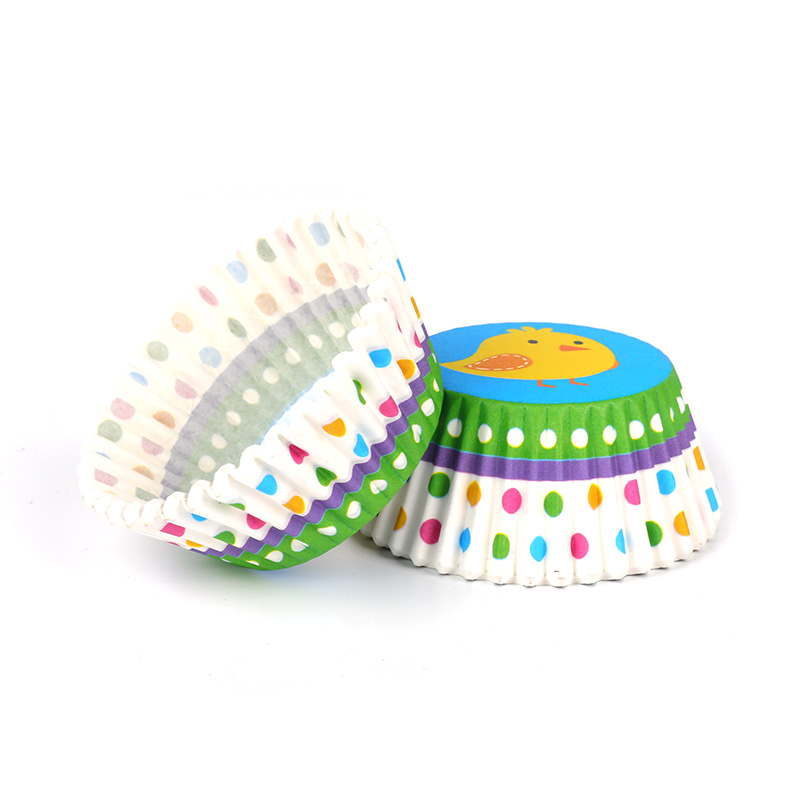
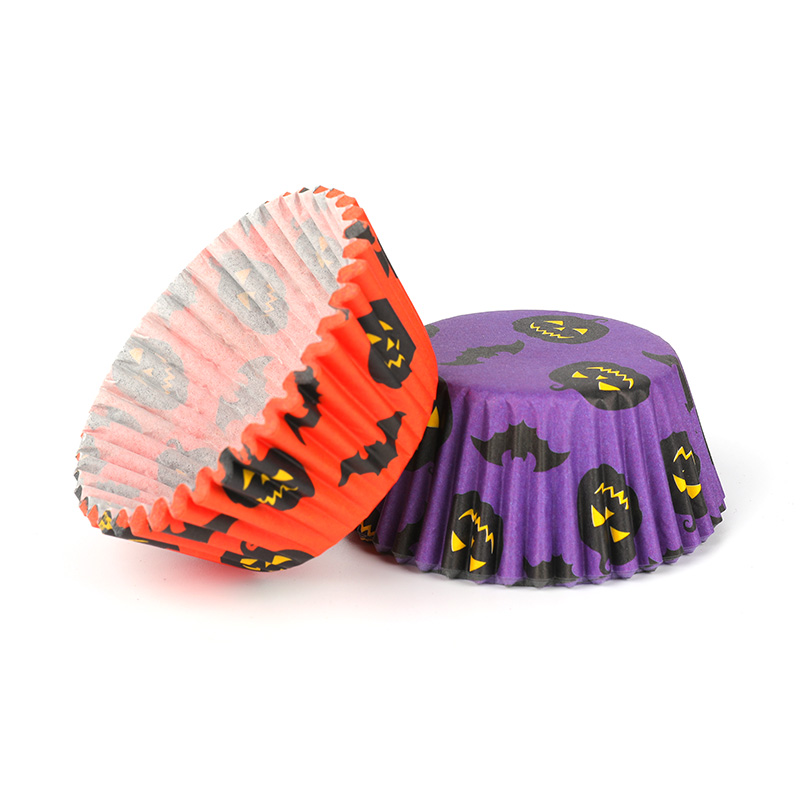
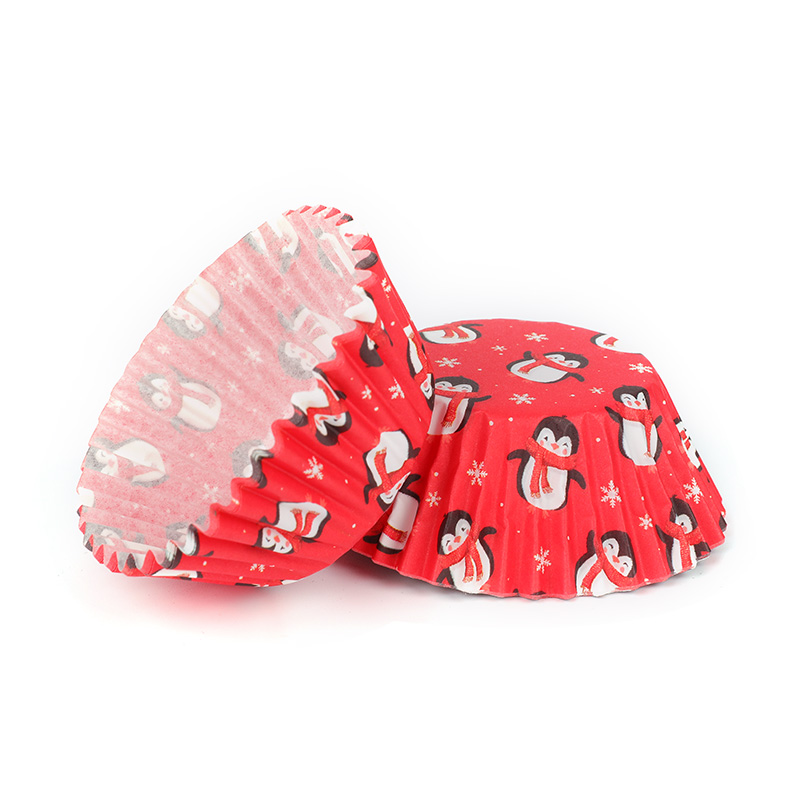
| Holiday collections | Seasonal colors and motifs | Makes limited-time products recognizable |
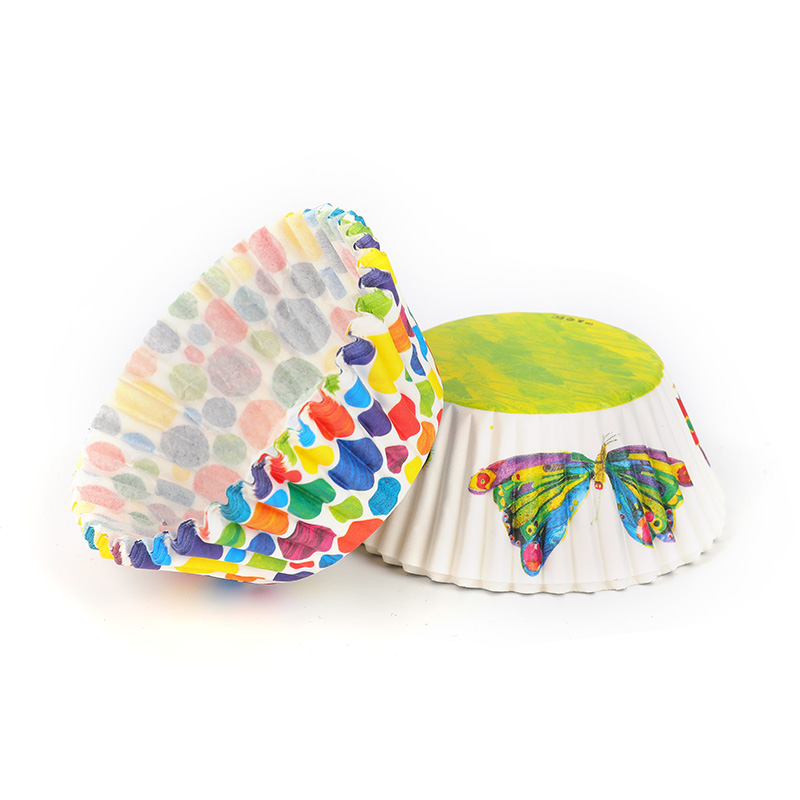
| Children's parties | Bright colors and playful prints | Creates a family-friendly appearance |
Before ordering in volume, test designs with actual products. Cupcake size, frosting height, wrapper coverage, display conditions—they all affect how much of the liner anyone actually sees. A pattern that looks striking in a supplier photo can become nearly invisible once the cupcake is decorated and boxed. Suppliers don't always mention that.
Prioritize Food Safety and Material Quality
Looks matter, but safety comes first. Liners come in paper, grease-resistant paper, and foil-based constructions. Performance shifts with batter moisture, baking temperature, fat content, storage conditions.
Confirm that liners are intended for direct food contact and suitable for your baking temperatures. Review manufacturer specifications and relevant compliance documentation. Requirements vary by market, so verify that packaging meets local rules.
Before rolling out a new liner across the menu, bake a small test batch. Check whether it holds shape, releases cleanly, resists grease penetration, retains appearance after baking. Printed designs shouldn't fade, transfer, or distort under normal production conditions.
Quality checks worth doing: heat resistance, grease resistance, structural integrity, documented food-contact suitability. Product photos and marketing claims aren't substitutes for verified performance. Damaged wrappers and visible grease stains undermine the impression an attractive design was meant to create.
Coordinate Liners With Packaging and Photography
Liners work best as part of a coordinated presentation. Match them with bakery boxes, labels, ribbons, stickers, inserts—same brand identity throughout. This doesn't require significant spending. Consistent colors and clear design choices make packaging look intentional rather than accidental.
For takeaway orders, confirm that liners fit securely inside the box and work with cupcake inserts. Packaging should protect frosting and prevent products from shifting during transport. If selling through delivery platforms, test the complete package under realistic handling conditions. Delivery is rarely gentle.
Liners also add color and texture to product photography, helping cupcakes stand out in online menus and social media posts. Use consistent lighting and backgrounds so customers recognize your visual style across campaigns. Keep photographs accurate—if a liner is available only with selected flavors or limited-time collections, say so clearly in the product description. Customers remember when photos don't match reality.
Control Costs and Test Before Scaling Up
Custom printing and specialty liners can involve minimum order quantities, longer lead times, higher unit costs. Smaller bakeries should assess demand before committing to a large purchase, particularly when testing an unfamiliar design.
Calculate the full cost per cupcake—liner, shipping, storage, additional packaging. Compare that against selling price and expected production volume. A premium liner may support a higher-value product, but the decision should rest on actual costs and customer response, not hope.
A practical rollout: select two or three designs, test with representative recipes and packaging, photograph the finished cupcakes, gather customer feedback. Then compare sales, costs, waste before reordering the strongest options. Track seasonal demand and supplier lead times. Maintain a reserve of core designs to prevent shortages, and order seasonal patterns closer to confirmed demand to reduce leftover inventory.
Build Recognition Through Consistency
Branding depends on repetition. Use selected decorative liners consistently across product photography, in-store displays, gift boxes, promotional campaigns. Review the collection periodically to keep it aligned with the menu and customer preferences. When working with a supplier on custom designs, request samples and confirm print quality, dimensions, material specifications, minimum order quantities, and production timelines before approving a full order. Clear specifications reduce the risk of receiving liners that differ from the sample or don't fit your products.
Decorative cupcake liners are a small packaging component, and no one builds a brand on liners alone. But thoughtful selection makes cupcakes easier to recognize and creates a more cohesive customer experience. Pairing brand-aligned designs with reliable materials, practical testing, and disciplined cost management gives bakeries a presentation that supports long-term growth—without requiring a larger packaging budget.