English
 Español
Baking cups may look like a small part of a bakery product, but their role is becoming broader. They hold batter during baking, help shape the finished product, and make handling easier. At the same time, they can influence how a baked item looks when it reaches the customer.
This is changing the way baking cup manufacturing is viewed.
A baking cup is no longer only a simple container used during the baking process. Its material, shape, appearance, printing, and overall presentation can all contribute to the way a bakery product is prepared and displayed. For bakeries, food businesses, and packaging buyers, these details can become part of everyday product planning.

The change is also connected with the wider development of bakery products. Muffins, cupcakes, small cakes, and other baked goods can be sold in different settings. They may appear in bakeries, cafés, catering environments, retail displays, takeaway counters, or gift collections. Each setting can create different expectations for packaging.
As a result, baking cup manufacturers are looking beyond basic functionality. Product design is increasingly connected with convenience, presentation, storage, customization, and the overall customer experience.
Why Is Baking Cup Manufacturing Moving Beyond Basic Packaging?
Traditional baking cups have a straightforward purpose. They provide a suitable space for batter while helping the finished product maintain a recognizable shape. After baking, the cup can also make the product easier to handle and serve.
That basic role remains important. However, bakery businesses are now looking at packaging from a wider perspective. A baking cup can become part of the product's visual identity, especially when the finished item is displayed directly in the cup.
This creates new considerations for manufacturers. A baking cup may need to support the baking process while also fitting the appearance and positioning of the final product. Color, pattern, shape, and presentation can therefore become relevant alongside basic use.
The change does not mean that every baking cup needs a complicated design. In many cases, simple packaging can be more suitable. What matters is whether the product matches the needs of the bakery and the way the baked item will be presented.
For manufacturers, this means moving from a single-purpose view toward a broader product concept. The baking cup can be considered part of the complete bakery experience rather than an isolated packaging item.
How Can Baking Cups Affect the Presentation of Bakery Products?
Appearance has always had a place in bakery sales. A baked product may be carefully prepared, but customers often notice its visual presentation before they taste it. The baking cup can contribute to that first impression because it remains visible around the product.
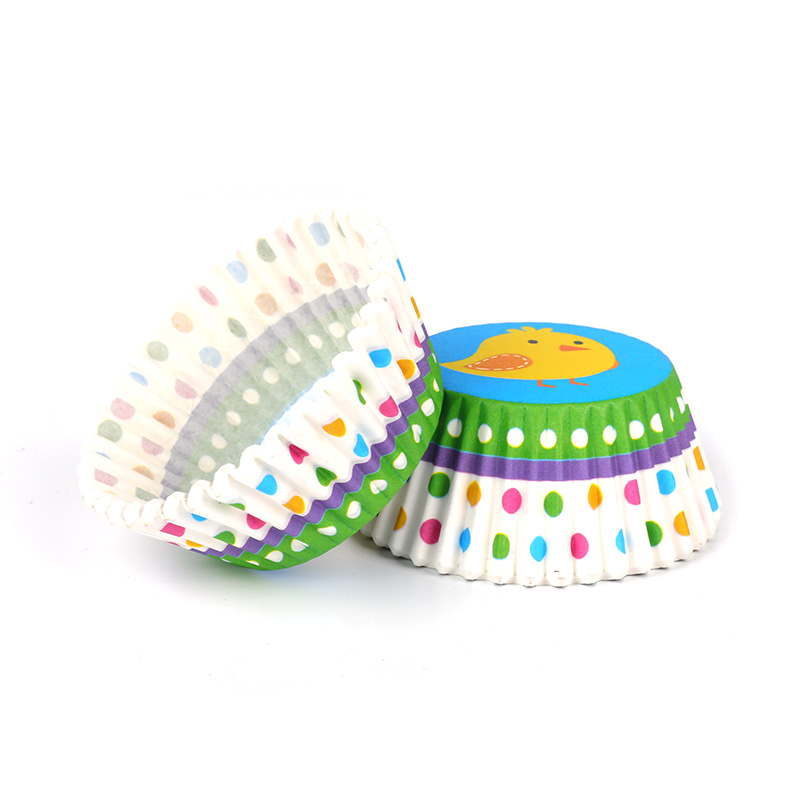
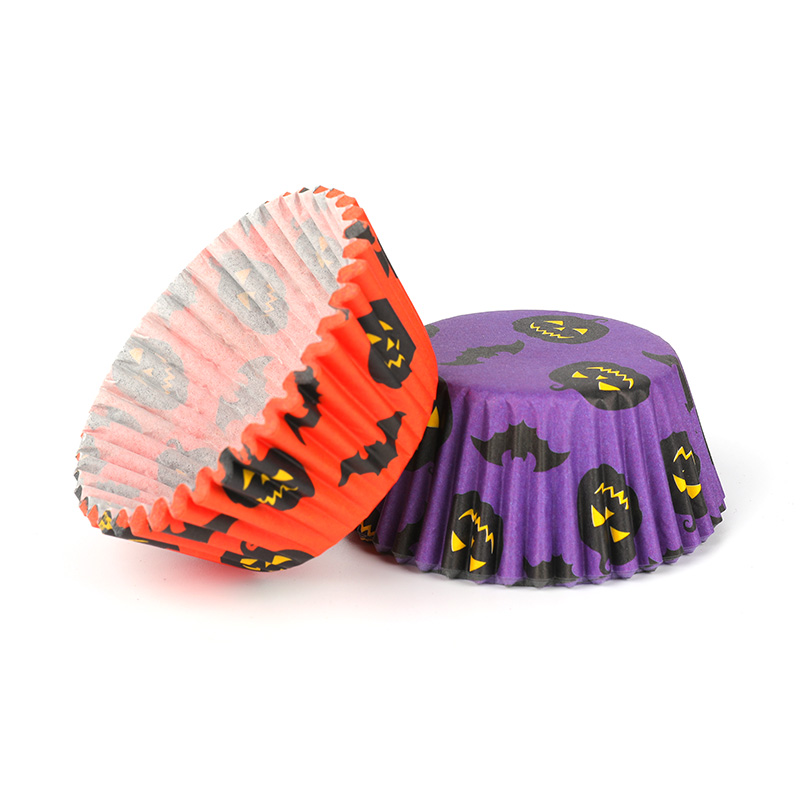
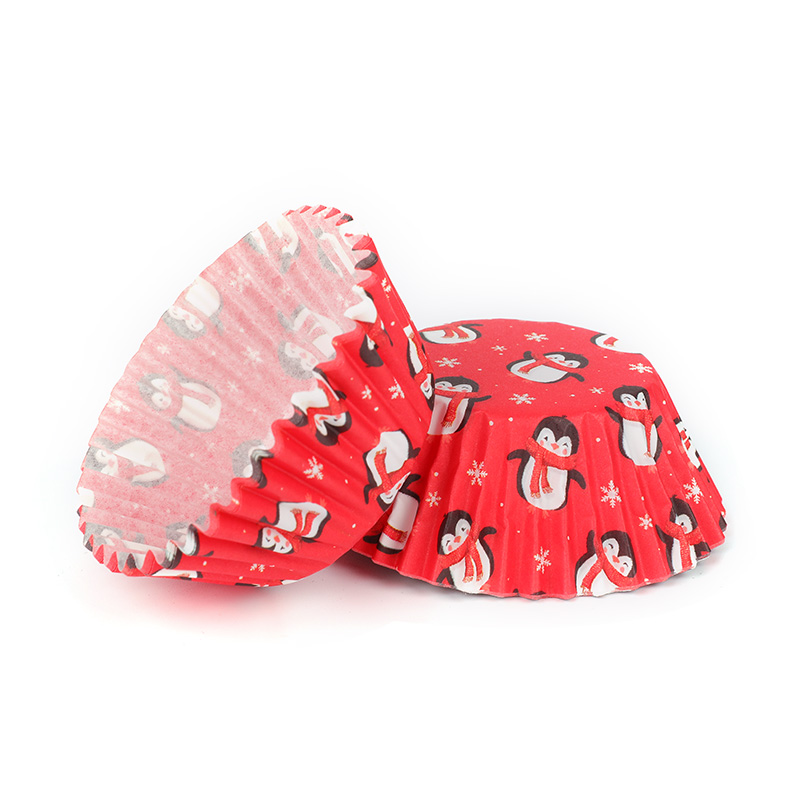
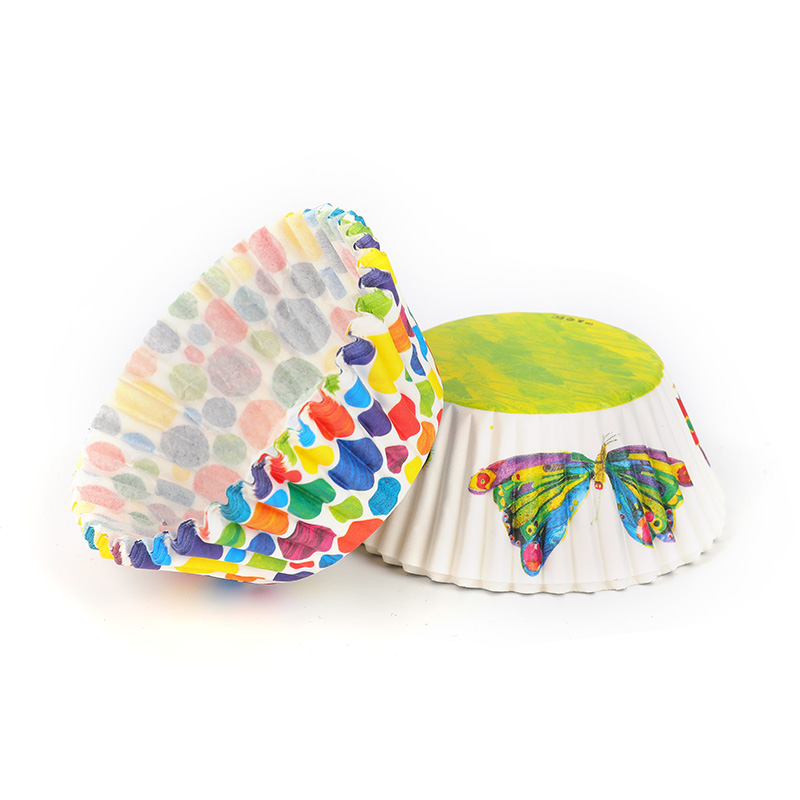
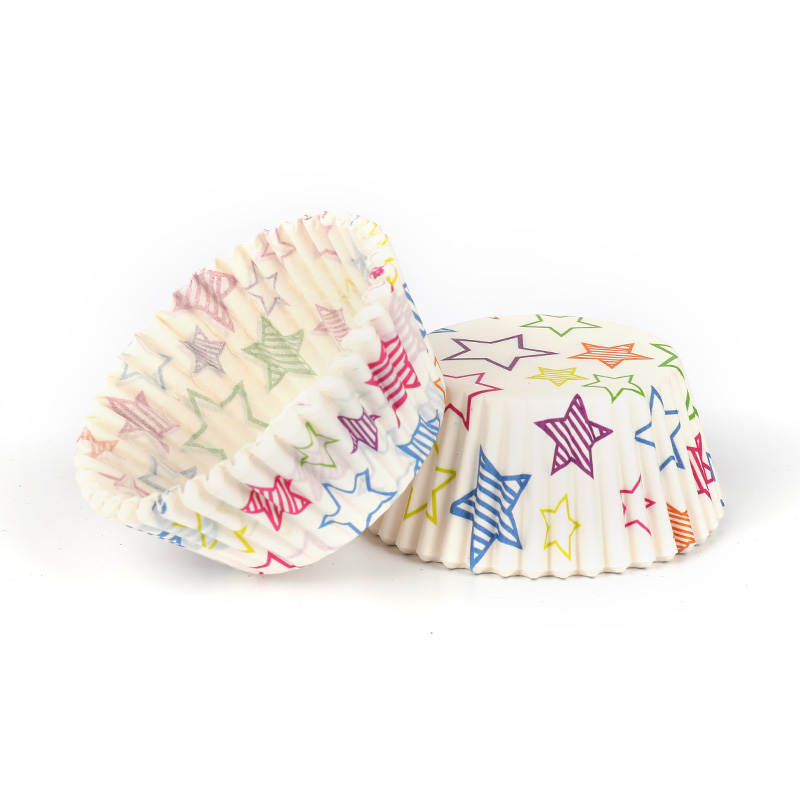
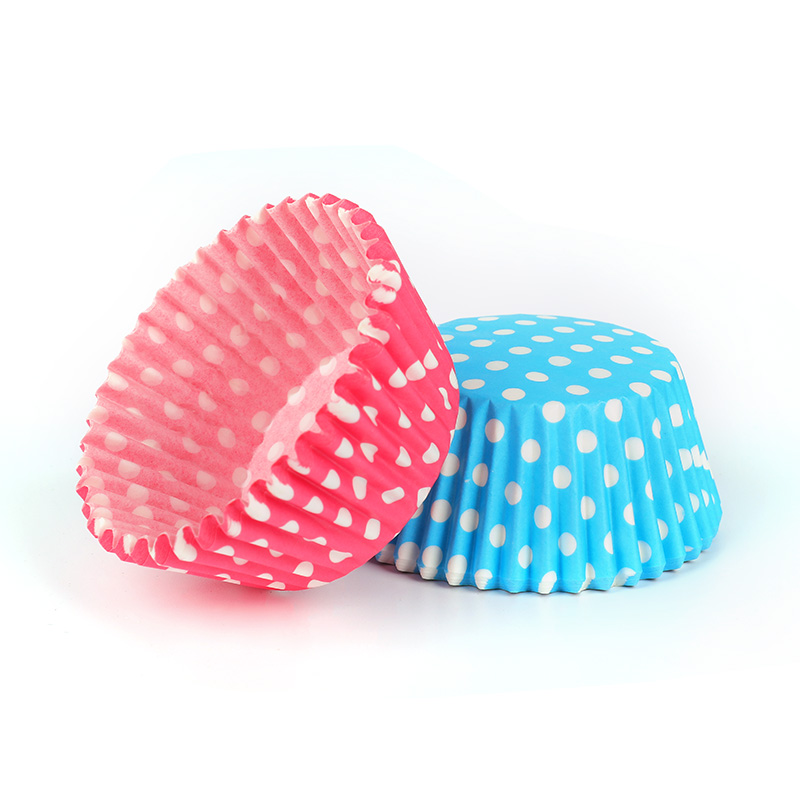
A simple cup can create a clean and familiar appearance. A printed or specially designed cup can create a different visual effect. The right choice depends on the product, selling environment, and intended customer.
This gives manufacturers more room to develop different product styles. A bakery may prefer a subtle design for everyday products, while another business may want a more decorative appearance for seasonal collections or gift-oriented products.
The baking cup can also help separate products visually. Different designs can be used for different product categories, flavors, or customer groups. This can make a display easier to understand without requiring a large amount of additional packaging.
| Baking Cup Element | Possible Role in Bakery Presentation |
|---|---|
| Color | Creates a recognizable visual appearance |
| Pattern | Adds character to the product presentation |
| Shape | Supports the overall appearance of the baked item |
| Printing | Provides space for visual or product-related information |
| Material Appearance | Contributes to the overall packaging impression |
| Packaging Style | Helps match different bakery settings |
These choices should remain practical. A decorative feature has more value when it works naturally with the product instead of making the packaging difficult to use.
What Is Driving More Flexible Baking Cup Design?
Different bakery products do not always require the same type of cup. A small cake, muffin, cupcake, or other baked item may have different presentation needs. The selling environment can also influence the choice.
For this reason, flexibility is becoming an important part of baking cup manufacturing.
Manufacturers may need to consider how cups will be used in different situations. Some products may be sold individually. Others may be arranged in boxes or displayed together. Some may be designed for everyday bakery sales, while others may be prepared for special packaging concepts.
Customization can support these differences.
A buyer may want a particular visual style, a different color concept, or a design that fits an existing product line. The purpose is not simply to make the cup look different. The design should have a clear connection with how the bakery wants the product to be presented.
Several factors can shape this decision:
- Product Type
The size and appearance of the baked item can influence the choice of cup. A product with a delicate appearance may call for a different presentation from a heavier or more rustic bakery item. - Selling Environment
A takeaway bakery, café, retail shelf, and gift setting can each create different packaging expectations. - Customer Expectations
Everyday bakery products may benefit from simple and familiar packaging, while gift-oriented products may use more decorative designs. - Visual Identity
Businesses may want their baking cups to fit the broader appearance of their product packaging. - Handling Needs
The cup should remain convenient to use during preparation, display, transport, and serving.
This approach gives baking cup manufacturing more room to respond to specific bakery applications rather than relying on one standard product concept.
Can Baking Cup Manufacturing Improve Everyday Bakery Convenience?
Practicality remains at the center of baking cup design. A visually attractive cup still needs to work well during everyday bakery operations. If packaging creates unnecessary difficulty during preparation, storage, or handling, its appearance may not be enough to justify the choice.
Manufacturers are therefore paying attention to how cups fit into the working process. Bakery staff may need to arrange cups, fill them, move prepared products, display finished items, and package them for customers. Each step can influence which type of baking cup feels suitable.
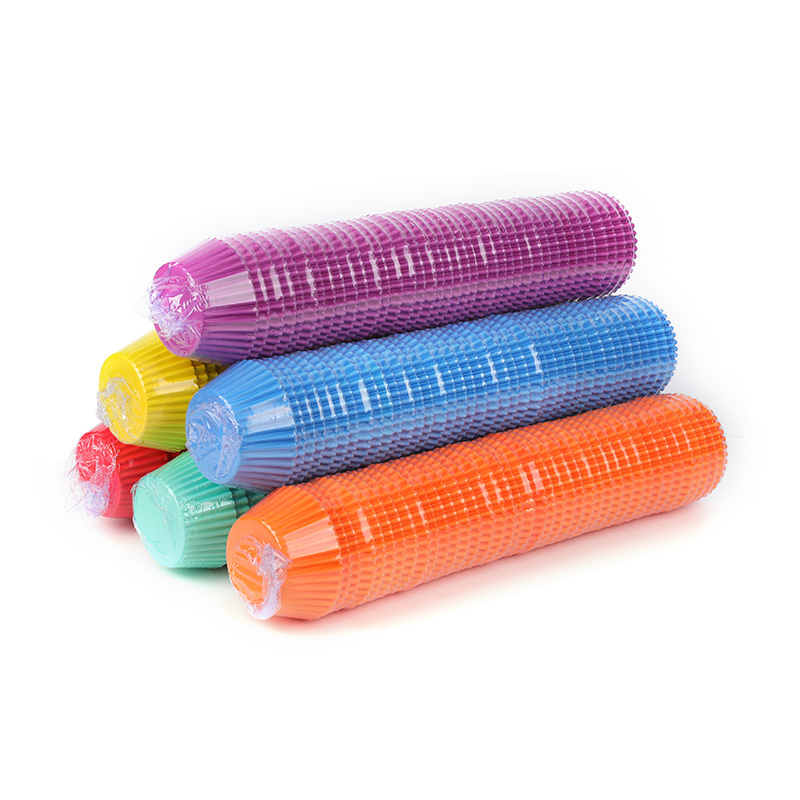
Storage is another consideration. Bakery businesses often handle many packaging items at the same time. A cup that is easy to organize can make daily preparation more manageable. Clear product identification can also help staff select the right packaging for different products.
The customer side matters as well. A well-presented baking cup can make a baked product easier to carry and serve. It may also reduce the need for additional wrapping when the product is already intended to be sold in its baking cup.
This creates a useful connection between manufacturing and everyday bakery operations. The most practical design is not necessarily the one with the most features. It is the one that supports the actual workflow without creating unnecessary steps.
Why Are Material and Packaging Choices Becoming More Important?
Material selection is becoming part of the wider discussion around bakery packaging. Buyers may consider how a baking cup looks, how it feels during handling, and how it fits the overall packaging concept.
Different bakery businesses may have different expectations. Some may prefer a familiar paper appearance. Others may be interested in a particular visual finish or packaging style that matches their product presentation.
The choice can also affect how the product is stored and handled. A baking cup needs to remain suitable for its intended use while fitting the bakery's regular workflow. This makes communication between buyers and manufacturers important.
Packaging design is also connected with customer perception. Consumers may notice whether a product appears neat, organized, and appropriate for its setting. A carefully selected baking cup can support this presentation without becoming the main focus.
For manufacturers, this creates a need to think about the entire product experience. Material, appearance, usability, and packaging should not be treated as completely separate decisions.
How Can Baking Cup Manufacturers Support Different Bakery Needs?
The role of a baking cup manufacturer can extend beyond producing a standard packaging item. Buyers may need help selecting a suitable design, discussing customization, or matching a cup with a particular bakery product.
Clear communication can make this process easier.
A buyer may know the type of baked product they want to package but may not know which design direction is most suitable. A manufacturer can discuss the intended use, presentation style, packaging method, and customer group before suggesting possible options.
This can be particularly useful for businesses with several bakery products. Different products may need different visual treatments, but the overall packaging can still follow a consistent concept.
Suppliers can also support buyers by making product information easy to understand. Clear descriptions of available designs, material choices, packaging styles, and customization possibilities can help businesses make more informed purchasing decisions.
The relationship is therefore becoming more collaborative. Instead of simply ordering a quantity of standard baking cups, some buyers may want to discuss how the packaging fits their wider product concept.
That shift gives manufacturers an opportunity to develop a more responsive approach to bakery packaging.
What Should Buyers Look for in a Baking Cup Manufacturer?
Choosing a baking cup manufacturer involves more than checking the appearance of a sample. Buyers need to consider whether the manufacturer can support the practical and visual needs of their bakery products.
Several areas can provide a useful starting point:
- Product Variety
Buyers can look at whether the manufacturer offers different styles suitable for various bakery applications. A broader product range can make it easier to find an appropriate option when product lines change. - Design Support
Manufacturers that understand packaging design may be able to help buyers develop a more suitable visual concept. This can be useful when a bakery wants packaging that fits a particular product identity. - Customization Options
Buyers may need specific colors, patterns, printing, or packaging arrangements. Clear communication about customization can help prevent misunderstandings during development. - Practical Usability
A baking cup should work naturally within the bakery's daily process. Buyers can consider how the product will be handled during preparation, baking, storage, display, and serving. - Packaging Presentation
The finished cup should fit the way the bakery wants its products to appear. The packaging should support the product rather than compete with it. - Communication
Clear communication matters throughout product development. Buyers should be able to discuss intended use, design preferences, packaging needs, and changes with the manufacturer.
These factors can help buyers look beyond a single product feature. A suitable manufacturing relationship often depends on how well the supplier understands the complete application.
Could Baking Cup Manufacturing Become Part of Bakery Product Development?
The boundary between food products and their packaging is becoming less distinct. Customers experience the finished product as a whole, and the baking cup can be part of that experience from the moment the product is displayed.
This creates an interesting direction for manufacturers. Instead of treating the cup as something added after the bakery product has been developed, packaging can be considered earlier in the process. The shape, appearance, and presentation of the cup may influence how the finished product is positioned.
For bakery businesses, this can open more possibilities. A consistent baking cup design can help connect several products visually. Different colors or patterns can help distinguish product groups. A customized cup can also support a particular packaging concept without requiring a completely separate outer package.
The change is especially relevant as bakery products continue to appear in more settings. A product sold at a café may have different packaging needs from one prepared for takeaway or retail display. Manufacturers that understand these differences can develop products around actual usage rather than treating every application in the same way.
Baking cup manufacturing is therefore becoming connected with much more than the basic task of holding batter. It can involve product presentation, customer experience, daily convenience, customization, and packaging identity. As these factors become part of the purchasing discussion, the baking cup itself can take on a more active role in how bakery products are prepared, presented, and experienced.